What Is Transfer Proof Technology and How Does It Work?
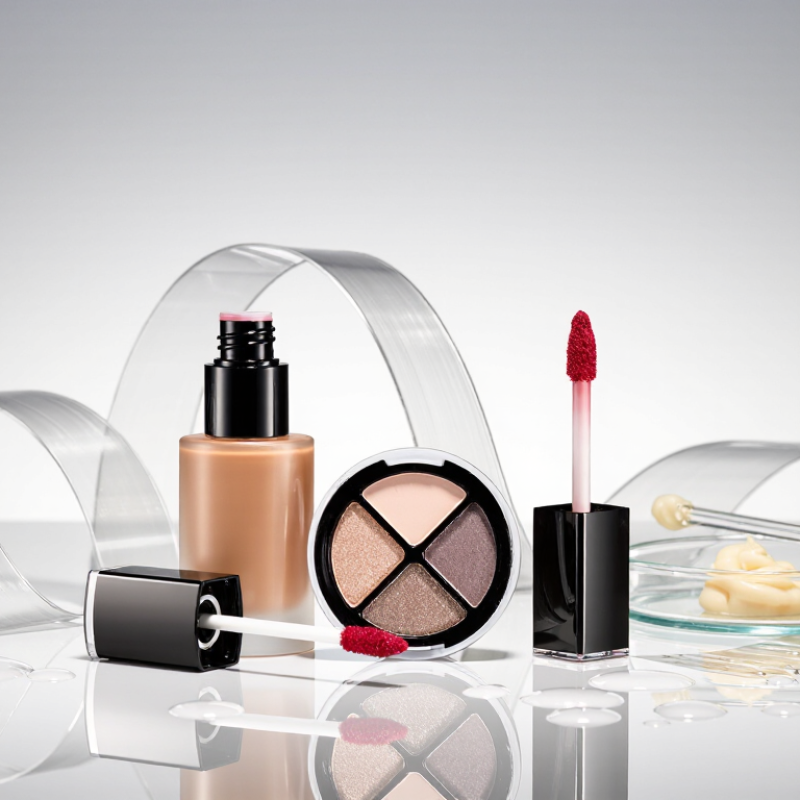
Transfer Proof Technology is changing how modern cosmetics resist smudging, fading, and fabric transfer. It is especially visible in liquid lip products, foundation, and long-wear eye makeup. The technology usually combines film-forming polymers, volatile solvents, waxes, and carefully dispersed pigments. After application, some ingredients evaporate. Others create a flexible, lightweight film across the skin.
The market is responding to clear consumer demand. Grand View Research valued the global cosmetics market at approximately USD 446.2 billion in 2023. Its report also projects continued growth through 2030. Circana reported strong momentum in prestige makeup sales, with consumers seeking products that offer durability and convenience. These figures do not prove that every transfer-resistant formula performs equally. They show why research remains commercially important.
Cosmetic scientist Dr. Perry Romanowski describes lipstick as “a mixture of waxes, oils, and pigments.” That simple explanation helps clarify the challenge. A successful formula must balance adhesion, comfort, color payoff, and removal. Too much film-forming material may create tightness or flaking. Too little may leave visible marks on a coffee cup or shirt collar.
Real performance depends on skin oil, humidity, application thickness, and friction. A formula tested on dry laboratory skin may behave differently during a long workday. No product is perfectly transfer-proof. That wording can mislead consumers. A more reliable claim is transfer-resistant under defined conditions. This article explains the chemistry, testing methods, benefits, and limitations behind Transfer Proof Technology.
What Transfer Proof Technology Means
Transfer Proof Technology: What It Means
Transfer proof technology describes a product’s ability to resist moving from one surface to another. In cosmetics, this usually means less color appearing on cups, collars, masks, or fingers. The formula often combines film-forming ingredients, fast-setting pigments, and balanced oils. Together, they create a flexible layer on the skin. This layer stays in place while allowing normal movement.
The process is not completely permanent. Heat, moisture, friction, and natural skin oils can weaken the film. For example, a lip product may remain clean on a dry glass. It may transfer after a hot meal. A reliable evaluation should test several conditions, including light rubbing, humidity, and repeated contact. In my experience, “transfer proof” should describe reduced movement, not an impossible guarantee. That distinction supports clearer product claims and more realistic expectations.
Tips: Apply a thin, even layer and allow it to set fully. Avoid adding heavy oils underneath. Press with a tissue instead of rubbing. Check the formula on your own skin, because results can vary with texture, climate, and daily activity. Some testing methods also need improvement. A single laboratory result cannot represent every user’s experience.
How Transfer Proof Technology Works Step by Step
Transfer Proof Technology: How It Works Step by Step
Transfer proof technology usually begins with a carefully balanced formula. In cosmetics, this may include film-forming agents, lightweight oils, pigments, and waxes. Each ingredient has a specific job. The formula must spread evenly without feeling heavy. It also needs time to set.
After application, volatile ingredients gradually evaporate. A thin film remains on the surface. This film holds color in place and reduces movement during normal contact. Some formulas use flexible polymers, which help the film bend instead of cracking. The result can resist marks on cups, clothing, or skin. It is not magic. Pressure, moisture, oil, and friction still affect performance.
Testing follows the application stage. Professionals may measure drying time, rubbing resistance, moisture exposure, and color change. A controlled test might press fabric against the product for several seconds. Another test may examine wear after eating or light exercise. Results can differ between people. Skin texture, temperature, and application thickness all matter. A thicker layer is not always stronger. It may crease or peel instead. This is where real-world experience becomes important. Laboratory data offers useful guidance, but daily use can expose weaknesses. Even reliable technology needs proper preparation, gentle application, and enough setting time.
Materials and Formulations Used for Transfer Resistance
Transfer proof technology reduces how easily a product moves from skin onto cups, clothing, masks, or fingers. It depends on a controlled film forming on the surface. The film must stay flexible, even, and strongly attached during daily movement.
Formulators often use film-forming polymers to create this protective layer. These materials can dry into a continuous network around pigments or active ingredients. Volatile carriers may evaporate, leaving behind a thinner, more stable film. Waxes add structure and improve resistance to rubbing. Silicones can support smooth application and reduce surface drag. However, too much wax may create stiffness, while excessive polymer can cause flaking or a tight feeling.
Emulsifiers and oils also influence transfer performance. A balanced oil phase helps pigments spread evenly before the film sets. Poor dispersion can leave heavier particles on the surface, increasing visible transfer. Humidity, skin oil, heat, and repeated friction can weaken the film. Laboratory tests often use fabric, pressure, wiping cycles, and controlled temperature. Real use is less predictable. A product may resist one short contact but fail after several hours. That gap matters. Formula development should compare performance across different skin types and application amounts, rather than relying on a single impressive test. No formula is perfect. Better results usually come from balancing comfort, flexibility, drying time, and resistance instead of maximizing one property.
Methods for Testing Transfer Proof Performance
Transfer proof technology is judged by how well a printed or coated surface resists rubbing, moisture, pressure, and repeated handling. Testing should copy real use as closely as possible. A garment may touch a white shirt, a damp hand, or a rough bag during daily wear.
A dry-rub test uses a controlled cloth pressed against the surface. Technicians count a fixed number of strokes, then inspect transferred color under consistent lighting. A wet-rub test repeats the process with damp fabric. Moisture often reveals weak bonding that dry testing misses. The result can mislead.
Pressure testing adds a defined load for a measured period. This helps evaluate contact with folded materials or stacked products. Wash testing, sweat simulation, and temperature exposure can extend the assessment. Samples should be conditioned before testing, because humidity and heat change surface behavior. Each test needs an untreated control and repeated measurements. One sample is not enough.
In practical quality checks, I would record transfer level, surface damage, test conditions, and examiner observations. Instrument readings can improve consistency, but visual inspection still catches uneven marks and faint smears. Different laboratories may use different equipment, so reports should state the method clearly. A surface can pass one test and fail another. That is not necessarily a testing error; it may show how transfer resistance changes under real conditions. Reviewing failed samples is useful, although it can expose gaps in the original test design.
| Performance Dimension | What It Measures | Common Test Method | Typical Test Conditions | Measured Data | Example Acceptance Criterion |
|---|---|---|---|---|---|
| Dry Rub Transfer | Resistance to color, coating, ink, or surface material transferring to a dry receiving cloth. | ASTM D5264, Sutherland Rub Tester | Dry white cotton cloth; 100 cycles; controlled pressure and stroke length. | Gray-scale staining rating: 1 to 5. | Rating ≥ 4.0; no visible coating transfer. |
| Wet Rub Transfer | Resistance to transfer when moisture softens or mobilizes the surface layer. | Modified wet-rub procedure based on ASTM D5264 | White cotton cloth dampened with distilled water; 50 cycles; evaluation after drying. | Gray-scale staining rating: 1 to 5; visual evidence of residue. | Rating ≥ 3.5; no continuous visible film or color streak. |
| Crocking Resistance | Color transfer caused by rubbing against another textile surface. | ISO 105-X12 | Dry and wet crocking using a standard rubbing finger and white test fabric. | Color-change or staining grade from 1 to 5. | Dry grade ≥ 4.0; wet grade ≥ 3.0. |
| Layer Adhesion | How strongly the transferred layer remains attached to the substrate. | ASTM D3359 cross-cut tape test | Six cuts in each direction, pressure-sensitive tape, followed by controlled tape removal. | Adhesion classification from 0B to 5B. | Classification 4B or 5B; less than 5% coating removal. |
| Abrasion Durability | Ability to retain the surface layer after repeated mechanical wear. | ASTM D4060 Taber abrasion | Specified abrasive wheel and load; commonly evaluated at 500 or 1,000 cycles. | Mass loss in milligrams; visual change in coverage. | Mass loss ≤ 100 mg at 1,000 cycles; no substrate exposure. |
| Scratch and Surface Hardness | Resistance to scratching, gouging, and localized surface damage. | ASTM D3363 pencil hardness | Pencils of increasing hardness applied at a controlled angle and load. | Hardness grade from 6B to 9H; coating damage observation. | Minimum grade HB or higher; no continuous scratch through the layer. |
| Blocking Resistance | Resistance to unwanted sticking or image transfer when coated surfaces contact each other. | Controlled heat-and-pressure contact test | 40–60 °C; 0.1–0.3 MPa contact pressure; 24-hour dwell time. | Blocking grade from 0 to 5; percentage of transferred area. | Grade ≥ 4; transferred area below 1%. |
| Chemical and Oil Resistance | Resistance to transfer or degradation after exposure to common liquids and oils. | Spot-exposure and rub evaluation | Water, detergent solution, alcohol solution, and light household oil; 30-minute exposure. | Staining, gloss change, softening, and coating removal. | No visible transfer; no blistering or peeling; appearance change ≤ 1 grade. |
| Environmental Aging | Long-term transfer resistance after heat, humidity, or ultraviolet exposure. | Accelerated aging followed by rub and adhesion tests | 70 °C and 75% relative humidity for 168 hours, or a defined UV exposure cycle. | Change in rub rating, adhesion rating, color, and surface condition. | Rub rating loss ≤ 1 grade; adhesion remains at least 4B. |
Applications, Benefits, and Limitations of the Technology
Transfer-proof technology is designed to keep color, ink, coating, or surface treatment from moving onto another object. It usually relies on fast-drying formulas, stronger surface bonding, or a thin protective film. After application, solvents or water evaporate, leaving behind a more stable layer. The result is less smearing when surfaces touch.
Its applications are broad. In cosmetics, it helps color remain in place during eating, speaking, or mild sweating. In packaging and printed materials, it reduces scuffing during storage and transport. Textile treatments can also limit dye transfer between garments. In practical testing, a clean cloth, light rubbing, and controlled moisture often reveal whether the technology works consistently.
The main benefit is durability with less maintenance. Users may need fewer touch-ups, while manufacturers can reduce visible damage during handling. However, transfer resistance is rarely absolute. Oil, heat, friction, and porous surfaces can weaken the protective layer. Some formulas may feel dry, stiff, or less comfortable. Removal can also require specialized cleaners or longer washing. Results vary.
A stronger film is not always better. If it cracks, performance falls quickly. Testing should match real conditions, including pressure, humidity, and repeated contact. Even then, small failures may appear after extended use. That limitation deserves honest attention.
FAQS
It means a product resists moving onto cups, collars, masks, clothing, or fingers. It does not promise zero transfer.
Film-forming ingredients create a thin layer on the skin. Pigments stay inside this flexible layer after the formula sets.
Polymers form the film, while waxes add structure. Lightweight oils, silicones, and volatile carriers support spreading and drying.
Heat, moisture, skin oil, pressure, and friction can weaken the film. A hot meal may cause more transfer than a dry glass.
Not always. A thick layer may crease, peel, or feel tight. A thin, even layer often performs more consistently.
Apply a thin layer over clean, prepared skin. Avoid heavy oils underneath, then allow enough time for the surface to set.
Press the area with a tissue instead of rubbing. Repeated rubbing can disturb the film and spread more color.
Testing may measure drying time, fabric contact, rubbing, moisture exposure, and color change. One short laboratory test cannot represent every person.
Skin texture, temperature, climate, application thickness, and daily activity all affect performance. Your result may differ from a controlled test.
No. It reduces movement during normal contact, but it cannot defeat every condition. The claim needs realistic expectations.
Conclusion
Transfer Proof Technology refers to the design of products and surface treatments that resist unwanted color, pigment, oil, or other residue moving from one surface to another. It works by combining carefully selected materials with a formulation that dries or sets into a stable, low-transfer layer. During development, the product is applied to a target surface, allowed to form a film, and then exposed to contact, pressure, rubbing, moisture, heat, or movement to evaluate how well the layer remains in place.
Materials used for transfer resistance may include film-forming agents, binding components, powders, wax-like substances, polymers, and protective additives. Performance is tested through controlled wiping, rubbing, contact, and environmental exposure tests, with results assessed by visible residue, color movement, durability, and comfort. The technology can improve cleanliness, appearance, product longevity, and user confidence in areas such as personal care, packaging, coatings, textiles, and industrial materials. However, its effectiveness may vary with surface type, humidity, friction, formulation balance, and repeated use, so testing under realistic conditions remains essential.
Blog Tags:
Scan to add WeChat