High-End Cosmetic Formulations Engineered for Global Scales
Explore our export-ready, clinically tested turnkey prototypes. Fully customizable in finish, rheology, botanical actives, and inclusive shade ranges.
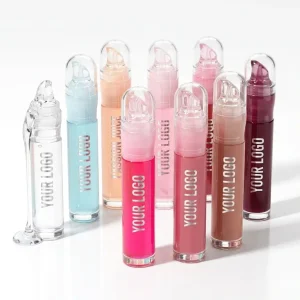
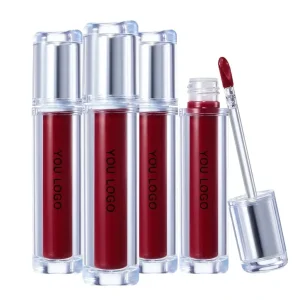
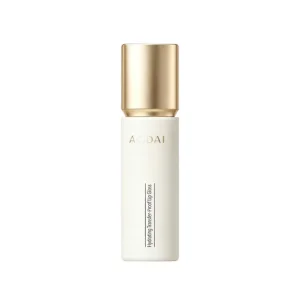
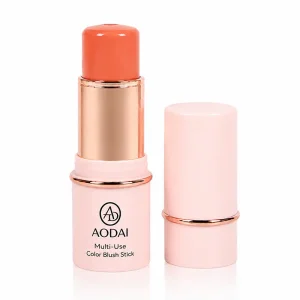
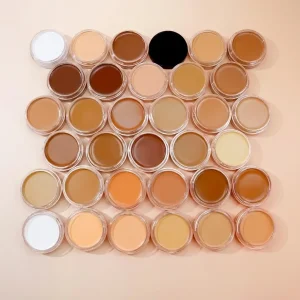
The Global Status of Italian Makeup Manufacturing: The Prestige Paradigm Shift
For more than four decades, Northern Italy—specifically the industrial triangle nestled between Milan, Bergamo, and Crema known as the Lombardy Cosmetic Valley—has served as the undisputed creative capital of premium color cosmetics. Industrial trade data demonstrates that Italian contract manufacturers historically formulated upwards of 60% of prestige color cosmetic units distributed throughout Paris, London, New York, and Tokyo. The renown of Italian makeup centers upon proprietary baked powder technology, unmatched sensory rheology, and artisanal extrusion processes that merge vibrant mineral pigments with featherlight lipid binders.
However, geopolitical shifts, escalating continental energy overheads, prolonged supply chain cycles, and inflexible batch thresholds have introduced profound friction for modern beauty conglomerates and fast-moving indie challenger brands alike. Modern cosmetic brand incubators face a severe structural dilemma when procuring exclusively through heritage European factories:
Prohibitive Minimums (MOQs)
Traditional Italian contract suppliers typically demand minimum order quantities ranging from 20,000 to 50,000 units per individual stock keeping unit (SKU) or shade, constraining agility for testing emerging seasonal color palettes and shade inclusivity matrices.
Extended Lead-Time Latency
R&D sampling cycles spanning 16 to 28 weeks, coupled with mass manufacturing production horizons of 6 to 9 months, frequently cause cosmetic brands to miss fast viral micro-trends driven by TikTok, Instagram, and fast retail expansion.
Rising Energy & Operational Costs
Severe continental energy inflation and high labor overheads in Southern Europe have driven finished goods ex-factory costs (COGS) up by 35% to 50%, compressing gross commercial margins for retail distributors and brand founders.
The Chinese Smart Manufacturing Synthesis: Italian Sensory Elegance at Industrial Scale
How Guangdong Aodai Cosmetics Co., Ltd. (Oulilai Group) deconstructs Italian chemical artistry and reconstructs it with high-precision automation, rapid formulation turnarounds, and global regulatory compliance.
The contemporary procurement landscape no longer requires cosmetic brand owners to sacrifice sensory elegance for manufacturing efficiency. At Guangdong Aodai Cosmetics Co., Ltd., operating from our state-of-the-art Qingyuan smart manufacturing campus alongside our Huadu R&D center in Guangzhou, we have systematically engineered an integrated industrial ecosystem that mirrors Italian micronization, slurry baking, and silken touch technologies while leveraging China's unparalleled industrial agility.
By pairing university-backed doctoral workstations with fully automated, high-precision modular filling lines, Aodai allows beauty brands to deploy custom "Italian-grade" makeup formulas within an agile, cost-engineered framework:
| Evaluation Parameter | Traditional Italian Contract Factories | Guangdong Aodai (Smart Agile OEM/ODM) | Commercial Impact for Brands |
|---|---|---|---|
| Formulation Prototyping | 12 – 24 Weeks (Manual Lab Queues) | 5 – 10 Business Days (Rapid Lab Prototyping) | Instant capture of seasonal viral aesthetic trends |
| Commercial Production MOQ | 20,000 – 50,000 pcs / Shade | Flexible Tiers (From 2,000 – 5,000 pcs) | Reduced capital lockup and dynamic shade testing |
| Baking & Slurry Powder Tech | Heritage terracotta tile batch baking | Automated vacuum-assisted continuous drying | Micro-precision batch uniformity & drop-shock resistance |
| Traceability & Audits | Fragmented manual paper dossiers | Digital seed-to-shelf batch serialization | Frictionless FDA, ISO 22716, & EU MoCRA auditing |
| Turnaround Time (Re-orders) | 120 – 180 Days lead time | 25 – 35 Days lead time | Elimination of out-of-stock lost revenue cycles |
Deconstructing the Formulation Architecture: Sensory Metamorphosis & Hybrid Textures
Micronized Wet-Slurry Terracotta Powder Tech
Italian powders are internationally famous for their "zero-powder" melting sensation. Aodai re-creates this phenomenon by utilizing liquid pigment-slurry injection onto porous terra-cotta pans. Water and volatile emollients are slowly extracted inside thermodynamic vacuum chambers, preserving the spherical structural integrity of synthetic fluorophlogopite, triethoxycaprylylsilane-treated micas, and lauroyl lysine. The resulting pressed powder yields buttery skin glide without chalky dryness.
Phase-Shift Emulsion & Solid Nectar Mechanics
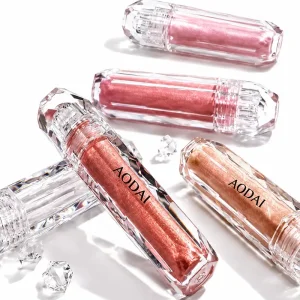
Modern luxury buyers demand transformative sensory profiles: balms that transform into featherweight serums, and glassy lip coatings that set into transfer-proof, high-cushion lipid shields. Through our patented Phase-Shift emulsification matrices, we cross-link plant-derived squalane, low-molecular hyaluronic acid spheres, and volatile film-formers, producing ultra-high refractive index glass shine without stickiness or feathering.
Hybrid Skincare-Infused Complexion Pigments
Color cosmetics are no longer merely surface adornments; they are expected to function as clinical skincare extensions. Our foundation and cushion systems incorporate active niacinamide, bio-fermented collagen hydrolysates, and photostable SPF filters within non-comedogenic silicone-in-water (Si/W) and water-in-oil (W/O) double-emulsion networks that resist creasing across 24-hour clinical wear tests.
University-Partnered Doctoral Workstations
Collaborating directly with renowned academic biochemistry laboratories, Aodai conducts rheological profile modeling, surface-tension optimization, and micro-encapsulation research. This academic backbone gives our OEM and ODM brand partners access to proprietary patented textures that prevent formula duplication by competitors.
Localized Application Scenarios: Adapting Complexion Chemistry to Global Climates
Formulations developed in temperate European climates frequently suffer formula separation or oxidation when deployed in demanding tropical or arid environments. Our engineering protocols systematically address regional climatic demands.
Middle East (GCC) & Arid Zones
Climate Challenge: Temperatures exceeding 45°C, high dust exposure, dry heat.
Chemical Adaptation: High melting point vegetable wax polymers, oil-adsorbing porous silica aerogels, hyper-pigmented micronized iron oxides ensuring 100% transfer resistance without melting or cracking.
Southeast Asia & Humid Tropics
Climate Challenge: Extreme humidity (>80% RH), sweat-induced oxidation, sebum breakthrough.
Chemical Adaptation: Hydrophobic polymer film formers (trimethylsiloxysilicate), ultra-breathable jelly cushion textures, and non-comedogenic sebum-binding spherical powders.
North America & Diversity Demands
Market Challenge: Broad multicultural demographics requiring inclusive deep undertones.
Chemical Adaptation: Custom dispersion of chromatic iron oxides avoiding ashiness on deep Fitzpatrick skin phototypes IV–VI, paired with MoCRA compliance and clean-beauty testing dossiers.
Europe & Clean Beauty Directives
Regulatory Challenge: Stringent EU 1223/2009 bans, microplastic restrictions, vegan protocols.
Chemical Adaptation: 100% talc-free, nano-free formulas with biodegradable lipid esters, mineral pigments ethically audited under SEDEX SMETA 4-Pillar standards.
From Formulation Brief to Shelf: The Six-Stage Turnkey Protocol
A transparent, high-visibility contract manufacturing lifecycle governed by seasoned cosmetic scientists, bi-lingual project engineers, and rigorous analytical quality control.
Brief & Benchmark Calibration
Analysis of client sensory briefs, target market regulatory constraints (FDA, EU, ASEAN, SFDA), benchmark texture reverse-engineering, and shade mapping.
Formula Prototyping & Sampling
Lab synthesis utilizing Aodai's 5,000+ formula base library. Rapid sample dispatch within 5–7 days, complete with viscosity, sensory, and coverage iterations.
Packaging Engineering & Compat
Component compatibility testing (centrifuge, leakage, wall swelling, pump dosing). Selection of sustainable PCR resins, glass, or luxury metal compact tooling.
Clinical Testing & Dossiers
3-month accelerated stability testing (45°C/75% RH, thermal cycling from -10°C to 50°C), microbial challenge testing, heavy metal assay, and PIF file preparation.
Smart Pilot & Automated Mass Scale
Pilot batch line trials before mass synthesis across 30+ automated cleanroom filling lines. Digital automated colorimeters ensure intra-batch delta-E < 0.6.
QC, Traceability & Delivery
Final release testing against approved golden standards, laser batch coding for complete supply chain traceability, palletized ocean or air freight delivery to 60+ countries.
B2B Procurement Blueprint: Mitigating Risk with International Accreditations
Enterprise cosmetic buyers navigating private label partnerships cannot afford regulatory recalls, supply chain disruptions, or formulation inconsistency. Guangdong Aodai Cosmetics mitigates commercial risk through deep accreditation across all major international testing authorities. Our production facilities operate under ISO 22716:2007 (Cosmetics GMP) and U.S. FDA cGMP guidelines, routinely audited by Intertek, SGS, and SEDEX.
Full Seed-to-Shelf Traceability
Every raw material batch entering our facility undergoes FTIR spectrophotometer identity verification. Barcode serialization tracks each milligram from bulk mixing to finished boxed carton, satisfying strict US MoCRA safety substantiation rules.
Ethical Supply Chains (SEDEX/SMETA)
Our raw material suppliers are vetted against modern slavery, fair wage standards, and child-free mining policies for natural micas. We maintain comprehensive documentation for brands that report ESG metrics to institutional investors.
Global Export Documentation
We provide full technical dossier support: Certificates of Analysis (COA), Safety Data Sheets (SDS), stability testing reports, heavy metal assays (As, Pb, Hg, Cd), and cosmetic product safety reports (CPSR) required for the EU CPNP portal.
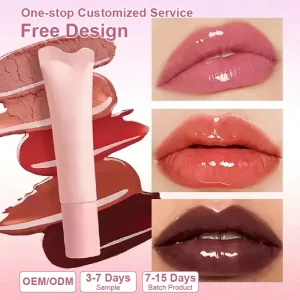
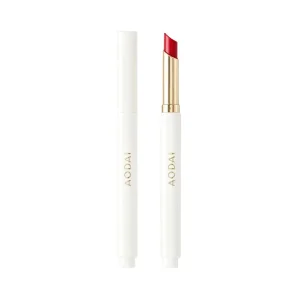
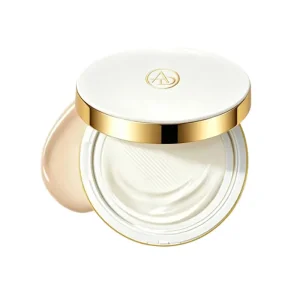
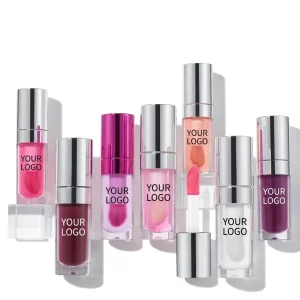
High-Performance Hybrid Color Cosmetics Ready for Custom Scaling
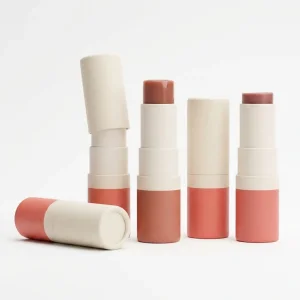
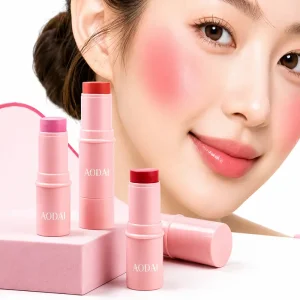
Turnkey finished formulas developed for international export. Tested across temperature variances, skin types, and long-wear performance benchmarks.
Next-Generation Market Trajectories: Clean, Waterless, and Neuro-Cosmetics
Where color cosmetics engineering is heading over the next five years, and how contract partners are investing R&D capital to keep brands ahead of consumer trends.
Waterless & Anhydrous Formulations
Environmental imperatives and zero-waste retail trends are accelerating the shift toward water-free sticks, anhydrous balms, and powder-to-cream makeup. Removing free water preserves lipid barriers naturally, drastically lowers chemical preservative loads, reduces shipping weight, and allows travel-friendly, airport-safe solid makeup formats.
Bio-Fermented & Upcycled Colorants
Consumers increasingly look beyond synthetic coal-tar dyes (Red 40, Yellow 5) while seeking alternatives to insect-derived carmine. The industry frontier lies in precision bio-fermentation: cultivating sustainable, non-GMO microbial plant pigments that deliver rich chromatic saturation while maintaining 100% vegan certification.
Tactile Neuro-Cosmetics & Endorphin Payoff
Sensory satisfaction is now recognized as a core driver of cosmetic repurchase rates. Formulations engineered with cooling menthyl esters, warming vanillyl butyl ethers, and bouncy memory-polymer jelly textures trigger dopaminergic tactile satisfaction upon initial touch, transforming standard makeup into an intentional self-care ritual.
Frequently Asked Questions: Sourcing Custom Italian-Grade Makeup
Comprehensive technical and commercial guidance for cosmetic brand founders, sourcing executives, and product developers.
How does Guangdong Aodai achieve "Italian-quality" cosmetic textures outside of Europe?
Cosmetic formulation quality is defined by raw material chemistry, processing physics, and quality assurance—not geography. Aodai achieves benchmark Italian performance by: (1) Sourcing premium cosmetic-grade raw materials from premier global chemical producers (including specialized ester binders from France, pearlescent pigments from Germany, and high-purity micas from audited domestic sources); (2) Deploying automated vacuum wet-slurry terracotta extrusion machinery identical to those used in the Lombardy cosmetic region; and (3) Partnering directly with university-backed doctoral workstations to optimize micronization curves and skin adhesion profiles.
What are the minimum order quantities (MOQs) for custom formulation vs. stock base customization?
For brands utilizing our pre-tested, mature base library of 5,000+ formulations paired with stock packaging components, our baseline starting MOQ begins at 2,000 to 3,000 units per shade. Fully bespoke, from-the-ground-up chemical developments with custom-tooled injection packaging components generally require 10,000 units per SKU. This tiered structure lets growing brands launch and validate new concepts without the 30,000+ unit exposure standard among legacy European contract suppliers.
Can your laboratory reverse-engineer or match an existing European benchmark product?
Yes. Our R&D center is equipped with high-performance liquid chromatography (HPLC), Fourier-transform infrared spectroscopy (FTIR), and Brookfield digital viscometers. Clients frequently send target benchmarks for finish, feel, or wear time. Within 5 to 10 working days, our team can deliver target-matched prototype submissions tailored to client ingredient preferences (e.g., vegan, talc-free, EU-compliant, fragrance-free).
What specific quality management certifications govern your manufacturing base?
Our production facilities hold dual ISO 22716:2007 and U.S. FDA cGMP certifications. Furthermore, our environmental and social practices are verified by third-party auditors through SEDEX (SMETA 4-Pillar), Intertek, and SGS. Documentation, audit certificates, and full social compliance dossiers are available for qualified buyers during vendor onboarding.
How do you manage cross-border regulatory compliance (FDA MoCRA, EU Regulation 1223/2009)?
Our in-house regulatory affairs department pre-screens every formulation against the restricted ingredient lists of your intended markets. For US distribution, we provide full MoCRA facility registrations and ingredient listing documentation. For European distribution, we assemble comprehensive Product Information Files (PIF), safety assessor sign-offs, and CPSR documentation to facilitate direct registration on the EU CPNP portal.
What testing is completed before bulk commercial shipments are approved for release?
Before batch release, all formulas undergo: (1) 3-month accelerated stability testing at 45°C and 75% relative humidity; (2) Freeze-thaw thermal shock cycling (-10°C to 50°C across 5 cycles); (3) Microbial challenge assays (USP 51/ISO 11930); (4) Heavy metal analysis via ICP-MS; and (5) Package-product compatibility testing (leakage under 0.08 MPa vacuum pressure, drop-shock resistance, and torque verification).
What is the standard production timeline from initial PO confirmation to ex-factory shipment?
Initial custom production orders—encompassing formulation sign-off, packaging decoration, stability verification, and primary/secondary automated assembly—typically require 35 to 45 calendar days from final golden sample and artwork approval. Subsequent repeat re-orders for identical formulas utilize our agile component buffering system and ship within 25 to 30 calendar days.
How are intellectual property (IP) and proprietary color formulas protected?
We execute enforceable bilateral Non-Disclosure Agreements (NDAs) before reviewing any confidential briefs. Custom formulas, bespoke pantone shade ratios, and custom tooling molds remain the exclusive commercial property of the client. Furthermore, our ERP systems employ role-based access controls to prevent formulation data sharing across client accounts.
 Scan to add WeChat