High-Performance EU-Compliant Color Cosmetics (Collection A)
Market-tested, fully compliant formula platforms engineered for European, North American, and global brand extensions.
Macro-Industry Trends in EU-Compliant Cosmetic Manufacturing
Analyzing the Paradigm Shift: How Regulatory Rigor, Microplastic Bans, and Clean Chemistry are Redefining B2B Cosmetics Sourcing.
The global cosmetics ecosystem is undergoing its most radical transformation in decades. Navigating the European Union cosmetics market requires far more than basic manufacturing capacity; it demands absolute alignment with the world's most rigorous chemical and consumer safety frameworks. The enforcement of EU Regulation (EC) No 1223/2009, combined with recent updates regarding synthetic polymer microparticles (Commission Regulation (EU) 2023/2055), has elevated the barrier to entry for prestige, masstige, and direct-to-consumer (DTC) beauty brands worldwide.
To successfully launch and scale color cosmetics and hybrid skincare formulations within the EU Single Market, global brand owners, sourcing executives, and product developers must partner with specialized ODM EU Compliant Cosmetics Factories capable of managing the intersection of complex chemical compliance, supply chain traceability, and sensory innovation.
Critical Regulatory Shift: Synthetic Polymer Microparticles Ban (EU 2023/2055)
As of October 2023, the European Commission introduced restrictions on intentionally added microplastics in cosmetics. This mandate restricts solid, non-biodegradable synthetic polymers used for texturizing, glitter visual effects, and film-forming properties. Advanced ODM partners like Guangdong Aodai Cosmetics have proactively re-engineered 100% of their base formulations using natural silica, mica, cellulose derivatives, and bio-degradable wax complexes to ensure seamless market access.
Macro Industry Growth Drivers & Technical Bottlenecks
Global procurement teams face a complex matrix of commercial demands and regulatory constraints. Success in modern cosmetic manufacturing requires solving four fundamental structural challenges:
1. REACH & SVHC Raw Material Traceability
Every raw material component must comply with REACH (EC No 1907/2006). Substances of Very High Concern (SVHCs), heavy metal contaminants (such as Lead, Arsenic, Cadmium, Cobalt, and Nickel), and residual monomers must be screened down to the parts-per-million (ppm) level through rigorous ICP-MS testing.
2. Clean Beauty & PFAS Substitution
Per- and polyfluoroalkyl substances (PFAS), cyclic silicones (D4, D5, D6), and specific parabens/isothiazolinone preservatives are strictly blacklisted under modern EU clean beauty standards. Formulation engineers must substitute these materials with plant-derived alkanes and bio-fermented preservation systems without compromising wear-time or feel.
3. Sustainable Packaging Compatibility
The EU's Packaging and Packaging Waste Regulation (PPWR) mandates increased use of Post-Consumer Recycled (PCR) plastics, mono-material refillable systems, and aluminum solutions. Formulations must undergo stress testing (45°C, freeze-thaw) inside eco-packaging to prevent chemical leaching or structural degradation.
Enterprise Sourcing Matrix: Intent Mining for Global Buyers
Mapping the exact technical specifications and operational requirements demanded by Tier-1 cosmetics procurement executives and indie disruptors.
When enterprise sourcing managers evaluate an ODM EU Compliant Cosmetics Factory in China, their intent moves beyond superficial pricing. They operate under strict risk-mitigation frameworks that prioritize audit readiness, intellectual property security, and regulatory speed. Through comprehensive search intent analysis across top-tier cosmetic brand procurers, we have codified the key operational expectations into a single matrix:
| Sourcing Vector | Standard Factory Deficit | Aodai EU-Compliant ODM Solution | Risk Reduction Impact |
|---|---|---|---|
| Product Information File (PIF) | Requires 3rd party consultants; slow dossier preparation (6-12 months). | In-house regulatory team provides turnkey PIF compilation & Safety Assessor CPSR Part A/B readiness. | Accelerates time-to-market by 65%. Eliminates EU import hold-ups. |
| Preservative Challenge Testing | Basic microbial limits testing only; susceptible to contamination. | ISO 11930 Antimicrobial Efficacy Testing (Challenge Test) conducted on every formulation variation. | Guarantees 30-36 month shelf-life stability across varied European micro-climates. |
| Batch Consistency & Color Matching | Manual shade mixing leads to ΔE (Delta E) color variance > 1.5 across batches. | Automated spectrophotometric color matching maintaining ΔE < 0.5 with vacuum-sealed emulsification. | Zero customer return rate due to shade mismatch across mass production runs. |
| Ethical & Social Audits | Lacks documented labor tracing, environmental monitoring, or ISO systems. | Fully audited under SEDEX SMETA 4-Pillar, ISO 22716:2007 (GMP), and FDA VRP registered. | Meets ESG procurement guidelines for public corporations and global retail chains. |
Advanced Formulation Science & Patented Rheology Innovation
Combining 60+ Granted Patents and 5,000+ Mature Formulas with University-Partnered Doctoral Workstations.
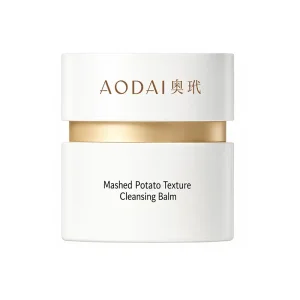
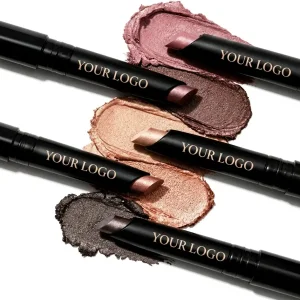
Mashed Potato Bouncy Rheology Engine
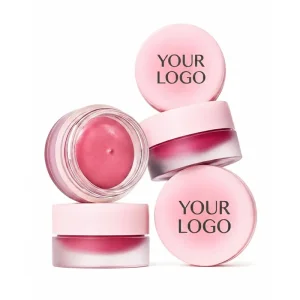
A breakthrough in solid-liquid emulsion state mechanics. Utilizing cross-linked elastomer networks combined with spherical silica micro-beads, this technology delivers a cushiony, high-elasticity "bouncy" touch that transitions into a powdery, weightless finish upon skin application.
- Zero fallout in blush and eye highlighters
- Instant soft-focus optical blur effect
- Microplastic-free synthetic polymer replacement
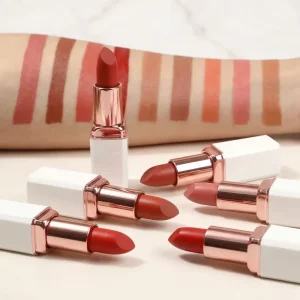
Velvet Air Soft-Touch Matrix
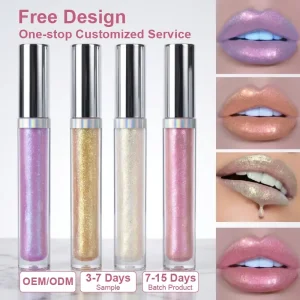
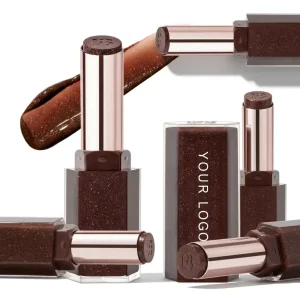
Engineered specifically for transfer-resistant lip colors and airy glosses. By incorporating volatile alkanes of plant origin and breathable film-formers, our Velvet Air technology provides intense pigment payoff without the drying tightness associated with traditional liquid mattes.
- Intelligent moisture-locking active complex
- Non-sticky, feather-light lip feel
- Passed EU 26 fragrance allergen limits
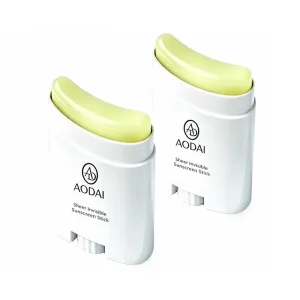
Photo-Stable SPF Stick Encapsulation
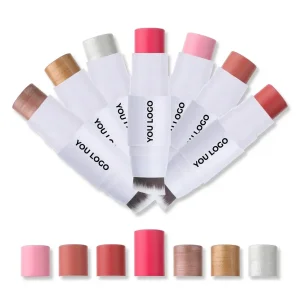
Invisible sunscreen sticks require precise oil-phase solubilization to prevent recrystallization of organic UV filters (e.g., Uvinul A Plus, Tinosorb S, Uvinul T 150). Our proprietary cold-process homogenization creates a completely clear matrix with SPF50+ PA++++ broad-spectrum protection.
- Zero white cast on all skin phototypes (Fitzpatrick I-VI)
- Water-resistant & ocean-reef safe filter matrix
- Seamless re-application over heavy makeup
The 5-Stage Turnkey ODM Development Roadmap
From Conceptual Briefing to CPNP Notification & EU Warehouse Delivery: A Transparent Quality Execution Plan.
Stage 1: Regulatory Pre-Audit & INCI Screening
Our regulatory team reviews target ingredient lists (INCI) against destination market restrictions (EU Annex II-VI, US FDA MoCRA, ASEAN). Every active component and pigment undergoes heavy metal and impurity screening before bench testing starts.
Stage 2: Bench R&D & Sensory Optimization
Formulation engineers utilize our library of 5,000+ proven bases or engineer custom formulations from scratch. Rheological curves, shade dispersion, and pay-off are calibrated using automated skin-simulation testing panels.
Stage 3: Stability, Compatibility & Challenge Testing
Formulations filled in final packaging undergo rigorous environmental chamber stress testing: 45°C for 12 weeks, -10°C freeze-thaw cycles, UV light exposure, and ISO 11930 microbial challenge testing to ensure complete formula integrity.
Stage 4: CPSR Part A/B & PIF Dossier Sign-Off
We compile complete technical dossiers including toxicological profiles, raw material safety data sheets (MSDS), CoA certificates, packaging compatibility reports, and nano-material declarations required for a Qualified Safety Assessor to issue the Cosmetic Product Safety Report (CPSR).
Stage 5: Automated GMPC Mass Production & CPNP
Mass production executes within Class 100,000 cleanrooms across 30+ automated lines. Concurrently, your Responsible Person (RP) uploads the product profile to the EU Cosmetic Products Notification Portal (CPNP) for instant commercial clearance.
Localized EU Support & Compliance Guarantee
Bridging Overseas Manufacturing with On-the-Ground European Regulatory Compliance.
Operating as an international OEM/ODM powerhouse under the umbrella of Oulilai Group (alongside sister R&D center Aobeisi in Huadu, Guangzhou, and our primary smart manufacturing campus in Qingyuan), Guangdong Aodai Cosmetics maintains a localized global perspective. We eliminate the traditional friction associated with importing Chinese-manufactured beauty products into Europe.
Direct Responsible Person (RP) Coordination
We work seamlessly with leading European RP agencies (located in France, Germany, Belgium, and the Netherlands) to ensure your Product Information File (PIF) meets local health authority inspections (e.g., ANSM in France, BVL in Germany).
Multi-Lingual Artwork & Label Compliance
EU packaging requires specific labeling rules: nominal content, durabilité minimale (PAO or BBE date), warnings, batch numbers, and complete INCI listings in descending order of weight. Our designers audit every packaging artwork file prior to cylinder engraving and printing.
Full Traceability Batch Coding
Every single lip balm, foundation bottle, or eyeshadow stick produced on our automated lines is laser-etched with unique batch codes linked to raw material lot numbers, production operator logs, and QC testing records for 100% full-chain accountability.
Technological Roadmap & Future Outlook (2026–2030)
Investing in Next-Generation AI Color Analytics, Biotech Actives, and Waterless Water-in-Oil Emulsification.
As consumer expectations shift toward skin-first hybrid cosmetics and eco-conscious formulation chemistry, Aodai's R&D division (comprising over 50 technical engineers) is executing a strategic technical roadmap focused on four core vectors:
1. AI-Driven Pigment Matching & Skin Adaptation
Integrating artificial intelligence algorithms with spectrophotometric analysis to formulate smart foundation systems that adapt dynamically to individual skin undertones, reducing the necessary SKU shade count while broadening skin-tone inclusivity.
2. Micro-Encapsulated Active Delivery Systems
Stabilizing delicate skincare actives (such as Vitamin C, Retinol alternatives, and Hyaluronic Acid micro-spheres) inside color cosmetic formulas. Encapsulation prevents premature oxidation, releasing active skincare benefits upon friction during application.
3. Solid Waterless Formulations
To support global water conservation efforts and lower carbon emissions during transport, Aodai is expanding its solid makeup range—including waterless cleansing sticks, concentrated blush bars, and stick foundations with zero added water.
4. Upcycled Biotech Actives
Partnering with university research laboratories to incorporate upcycled agricultural by-products (such as antioxidant-rich coffee ground extracts and berry seed oils) into high-performance lip glazes and cleansing balms.
Enterprise Procurement FAQ: Technical & Regulatory Directives
Answering high-intent technical, regulatory, and supply chain queries from global beauty brand sourcing directors.
Our regulatory department conducts complete chemical screening of all raw materials against EU Annexes II through VI. We enforce strict GMP standards under ISO 22716:2007, perform mandatory heavy metal testing, micro-biological testing, and challenge testing (ISO 11930), and provide complete documentation (MSDS, CoA, Packaging Compatibility, Toxicological Profiles) required for a qualified Safety Assessor to issue a Cosmetic Product Safety Report (CPSR Part A & B) and complete CPNP notification.
Yes. Guangdong Aodai has completely phased out non-biodegradable synthetic polymer microparticles from its formulation platforms. We utilize biodegradable micro-cellulose, natural silica micro-spheres, rice starch, and plant-derived wax complexes to achieve silky textures, optical blurring, and soft-touch sensory effects without violating the EU microplastics ban.
For existing mature bases (from our library of 5,000+ formulas), sample matching takes 3–5 working days. Stability and challenge testing require 4 to 12 weeks depending on specific claim validation. Once custom packaging artwork is approved, mass automated production and filling take approximately 30–35 calendar days.
Yes. While our 30+ automated production lines are built for mass-scale manufacturing, we maintain flexible low-MOQ programs for strategic fast-growing brands. By selecting stock component molds and existing EU-compliant formula bases, brand owners can launch with MOQs starting as low as 3,000 to 5,000 units per shade.
Under our ODM/OEM agreements, custom formulations developed specifically under a client's paid contract belong to the client upon project completion. We sign legally binding Non-Disclosure Agreements (NDAs) and IP protection contracts prior to exchanging formula briefs or benchmark targets.
Our smart manufacturing campus operates strictly under ISO 22716:2007 (Cosmetic GMP) and U.S. FDA GMPC standards. We hold ethical social compliance accreditations including SEDEX SMETA 4-Pillar audits, and our testing procedures are validated by independent third-party laboratories such as SGS and Intertek.
High-Performance EU-Compliant Color Cosmetics (Collection B)
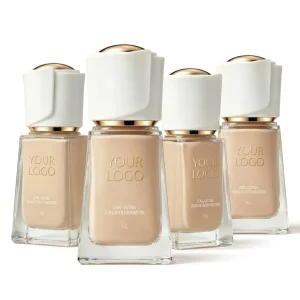
Advanced hybrid face base, SPF protection stick, and lip technology engineered for global luxury and indie brands.
 Scan to add WeChat