Market-Ready Color Cosmetics & Skincare Formulations
Explore our top-performing ODM/OEM private label cosmetic solutions, engineered for international compliance and premium retail performance.
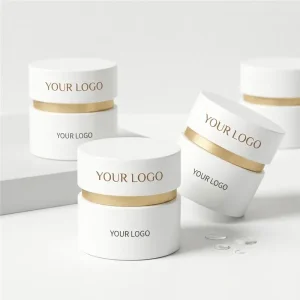
ODM Mashed Potato Texture Cleansing Balm - China Suppliers Factory for Effortless Makeup Removal and Silky Skin Factory, Factories
Inquire Product
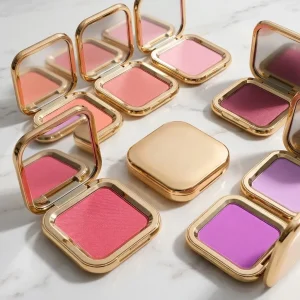
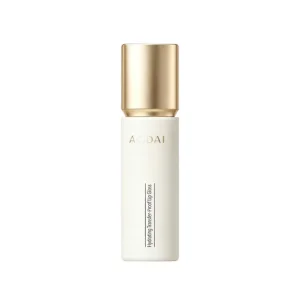
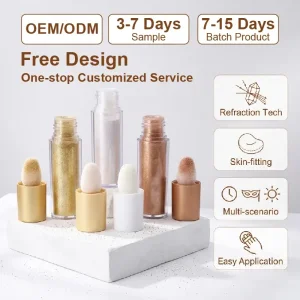
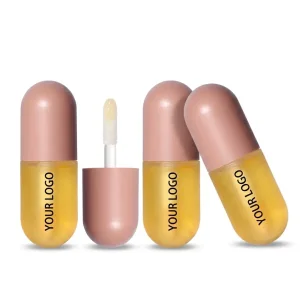
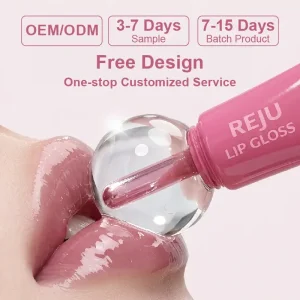
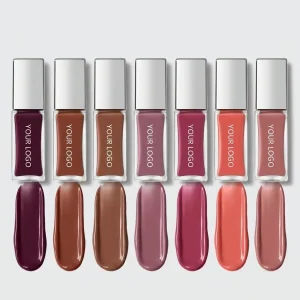
ODM Hydrating Transfer-Proof Lip Gloss - China Suppliers & Factory, Long-Lasting Color Locking & Nourishing Technology Factory, Suppliers
Inquire Product
Navigating MoCRA, FDA Compliance, and ISO 22716 Standards in Cosmetic Manufacturing
A technical whitepaper overview on how enterprise cosmetics procurement teams mitigate regulatory risk, ensure product safety, and streamline cross-border market entry.
In the evolving landscape of global beauty commerce, securing an ODM FDA approved cosmetics supplier is no longer merely a transactional supply-chain decision—it is a critical legal and strategic imperative. With the landmark enforcement of the Modernization of Cosmetics Regulation Act (MoCRA) of 2022 by the U.S. Food and Drug Administration (FDA), the regulatory barrier for importing and distributing personal care products into North America and Western markets has reached an unprecedented height.
Core Industry Insight: Under MoCRA, facility registration, product listing, safety substantiation, Good Manufacturing Practices (GMP), and mandatory serious adverse event reporting are legal prerequisites. An experienced ODM manufacturer serves as the primary shield against product detentions and FDA recall mandates.
Understanding FDA Compliance for Color Cosmetics and Skincare
It is vital for enterprise beauty brand directors to distinguish between standard cosmetic compliance and OTC (Over-the-Counter) drug compliance. While standard color cosmetics (such as lip gloss, eyeshadow, blush, and foundation) require strict ingredient safety attestations and color additive approvals under FDA guidelines, hybrid functional products (such as SPF sunscreen sticks, anti-acne concealers, and drug-claim lip balms) require OTC facility registration and Monograph compliance.
| Compliance Pillar | Traditional Cosmetic Requirements | FDA / MoCRA ODM Standard Execution |
|---|---|---|
| Facility Registration | Voluntary (VCRP - Now Discontinued) | Mandatory biennial FDA facility registration & listing updates. |
| Product Listing | Basic packaging review | Detailed cosmetic product listing including ingredient lists & CAS numbers. |
| Safety Substantiation | General toxicological review | Scientifically robust safety testing (HRIPT, Stability, Preservative Efficacy). |
| Manufacturing Standard | Basic factory hygiene | Strict ISO 22716 & GMPC cleanroom environment compliance. |
The Guangdong Manufacturing Hub: Unrivaled Economies of Scale & Innovation
Why the world’s leading beauty conglomerates leverage Guangdong’s integrated industrial ecosystem for rapid OEM/ODM deployment.
Vertical Industrial Integration
Guangdong houses the world’s most concentrated cosmetics supply ecosystem. From raw material extraction and synthetic mica processing to high-precision injection molding and secondary artwork decoration, everything exists within a 50km radius, reducing production lead times by up to 40%.
Automated Precision Assembly
By implementing 30+ fully automated robotic filling and pressing lines, human error is eliminated in volumetric measuring, shade dispensing, and air-tight capping. This guarantees batch-to-batch consistency across multi-million unit mass runs.
Doctoral R&D Workstations
Operating in partnership with top academic institutions, advanced research stations spearhead breakthroughs in polymer film-formers, bio-fermented active carriers (such as PDRN), and micro-encapsulated pigment suspension systems.
Breaking Formula Homogenization: Next-Generation Active Cosmetics
How proprietary formulation chemistry solves traditional consumer pain points: long-wear drying, shade oxidation, and pore-clogging heavy textures.
1. Active Color Cosmetics: The Convergence of Skincare and Makeup
Modern consumers demand color cosmetics that actively treat the skin while delivering flawless visual coverage. Our laboratory has pioneered several patent-pending formulation platforms that seamlessly integrate bioactive skincare actives into color matrices without compromising product stability or color payoff:
- PDRN Lip Treatment Matrix: Utilizing Polydeoxyribonucleotide (PDRN) derived from cellular biotechnology, lip formulas actively stimulate tissue recovery, repair mucosal barriers, and fill fine lip lines while delivering translucent, non-sticky high-shine color.
- Water-in-Silicone Smart Shade Adaptation: Encapsulated iron oxide pigments suspended in an amphiphilic liquid elastomer breakdown upon mechanical rub-in, dynamically adjusting to match the user's skin undertone while forming a breathable, waterproof 24-hour film.
- Anhydrous Cleansing Balms: Formulated without water, these "mashed potato" texture balm-to-oil cleansers dissolve stubborn waterproof mascara and silicone foundations instantly upon emulsification, washing clean without leaving an oily residue or disrupting the skin's moisture barrier.
2. Analytical Quality Control & Stability Verification Protocol
Before any private label product is approved for mass manufacturing, it undergoes rigorous stress testing designed to replicate global climate extremes:
| Testing Category | Testing Parameters & Conditions | Quality Standard Validation |
|---|---|---|
| Thermal Stability Test | 45°C to -10°C thermal cycling over 12 weeks | Zero phase separation, no syneresis (sweating), color shift ΔE < 0.8. |
| Microbial Challenge (PET) | Inoculation with E. coli, S. aureus, P. aeruginosa | Log 3 reduction within 7 days; compliant with ISO 11930 standards. |
| Compatibility & Migration | Packaging compatibility under elevated pressure & UV light | Zero leaching of heavy metals or plasticizers into cosmetic formula. |
| Human Repeat Insult Patch Test | 50+ human subjects under dermatological supervision | 100% hypo-allergenic; certified non-irritating and non-sensitizing. |
Cross-Border Compliance & Localized Application Scenarios
Customizing formulation parameters, shade ranges, and legal documentation to fit regional regulatory bodies and consumer preferences.
North America (FDA & MoCRA)
Strict focus on color additive batch certification, heavy metal thresholds (lead < 10ppm, arsenic < 3ppm), clear ingredient disclosures, adverse event portal setup, and FDA facility listings for seamless distribution across US retail channels.
European Union (EU CPNP & REACH)
Full alignment with EU Cosmetics Regulation (EC) No 1223/2009. Formulation screening eliminates over 1,600 banned substances, providing complete Product Information Files (PIF) and Safety Assessments (CPSR) for CPNP portal upload.
Middle East & GCC (Halal & Heat Stability)
Formulations tailored for extreme heat and high-humidity climates. Melting point of solid sticks engineered above 55°C. Pigment loads increased for high color payoff, fully certified Halal-compliant and alcohol-free.
6-Stage End-to-End Enterprise Procurement Blueprint
From initial brief to international customs clearance: a disciplined, accountable project management pipeline.
Phase 1: Briefing & Market Strategy
Analysis of target market compliance, price points, benchmark texture matching, and custom shade story development guided by a dedicated English-speaking technical project manager.
Phase 2: R&D & Rapid Prototyping
Selecting from our 5,000+ formula database or crafting a bespoke, active-infused texture. Lab samples delivered within 5-7 business days for feedback and shade adjustment.
Phase 3: Tooling & Packaging Sourcing
Evaluating stock vs. custom packaging moulds. Conducting rigorous formula-packaging interaction testing to prevent stress cracking, discoloration, or pump clogging.
Phase 4: Regulatory File Assembly
Compiling full INCI disclosures, SDS, CoA, heavy metal challenge tests, micro-burden reports, and FDA registration files necessary for smooth import clearance.
Phase 5: Pilot & Automated Mass Run
Initial pilot batch validation before scaling to automated 30-line mass manufacturing. Inline vision inspection systems screen 100% of units for surface defects.
Phase 6: QC & International Logistics
Final AQL 1.0/2.5 sampling inspection, batch coding for full traceability, sea/air palletization, and export customs handling directly to your distribution center.
Global Beauty Industry Strategic Trends (2025–2030)
Key innovation drivers that enterprise beauty procurement teams must integrate to maintain market share and brand equity.
Waterless & Anhydrous Formulations
Driven by sustainability mandates and clean beauty demands, water-free sticks, powder-to-liquid cleansers, and concentrated balm formats reduce carbon footprints during shipping while eliminating the need for strong synthetic preservatives.
Bio-Fermented & Biotech Ingredients
Replaces petrochemical derivatives with sustainable, bio-fermented botanicals, synthetic biology peptides, micro-algae film formers, and cellular marine extracts that deliver proven physiological skin benefits alongside cosmetic coverage.
Inclusive & Adaptive Shade Spectrum
Eliminating gray cast and shade oxidation through high-chroma, silicone-coated pigments that preserve true undertones across all global skin phototypes (Fitzpatrick scale I through VI).
Frequently Asked Questions for B2B Cosmetic Procurement
Detailed answers regarding regulatory compliance, manufacturing minimums, formula ownership, and international shipping.
What specific documentation does an ODM cosmetics factory provide to ensure FDA & MoCRA compliance?
An authoritative ODM FDA approved cosmetics supplier provides a complete compliance folder including FDA Facility Registration Numbers (FEI), Cosmetic Product Listing attestations, Safety Data Sheets (SDS) compliant with OSHA/GHS, Certificates of Analysis (CoA) for every batch, Heavy Metal and Microbiological Challenge Test reports, and complete INCI breakdown lists with CAS numbers necessary for mandatory U.S. and international customs entry.
What is the typical Minimum Order Quantity (MOQ) for private label color cosmetics custom development?
MOQs depend on whether your brand utilizes stock components or bespoke packaging moulds. For mature, existing formulas in standard stock packaging, MOQs start as low as 3,000 to 5,000 units per shade. For fully custom packaging tooling or highly specialized custom formulations, standard production runs start at 10,000 units per line to optimize bulk synthesis and automated filling line setup.
How does the factory handle formula IP protection and brand exclusivity?
Intellectual property protection is legally bound through bilateral Non-Disclosure Agreements (NDAs) prior to any project briefing. Custom formulas developed exclusively for your brand remain your exclusive proprietary property upon contract fulfillment, ensuring that your unique shade profiles, active ingredient combinations, and texture aesthetics are protected from market duplication.
What are the lead times from initial design concept to final mass production delivery?
Standard development timelines follow a structured path: Sample formulation and shade matching take 5 to 7 business days. Stability and packaging compatibility testing require 2 to 4 weeks. Once artwork and samples are approved, automated mass production and filling require 25 to 35 days, resulting in a total turnaround time of approximately 6 to 8 weeks for new product launches.
Can the factory adapt existing formulas to satisfy clean beauty or vegan standard restrictions?
Yes. Our laboratory maintains a dedicated library of over 5,000 mature formulas that can be tailored to exclude parabens, phthalates, mineral oils, sulfates, synthetic fragrances, microplastics, and animal-derived ingredients (such as carmine or lanolin). We routinely manufacture formulas compliant with Sephora Clean, Target Clean, EU 1223/2009, and international Vegan/Cruelty-Free certification standards.
How are thermal stability issues prevented during international shipping to hot regions?
All oil-in-water, water-in-silicone, and solid stick cosmetics undergo rigorous freeze-thaw cycles and high-temperature oven storage tests (up to 50°C) during R&D. By utilizing high-melting-point botanical waxes, micro-fine synthetic waxes, and advanced polymeric emulsifiers, our formulas prevent oil bleeding (syneresis), softening, or phase breakdown during ocean freight or tropical storage.
What quality assurance protocols occur on the production floor during mass manufacturing?
Production facilities operate under strict ISO 22716 and GMPC cleanroom guidelines. Quality assurance involves incoming raw material analysis (IQC), in-line process checks for fill weight, torque, and color match (IPQC), high-speed camera vision inspections, and final pre-shipment quality audits (FQC) adhering to standard ISO 2859-1 (AQL 1.0/2.5) sampling protocols.
Is third-party factory auditing supported for international enterprise buyers?
Absolutely. We regularly host third-party technical and ethical audits conducted by recognized testing houses such as SGS, Intertek, Bureau Veritas, and TÜV Rheinland. We maintain full SEDEX (SMETA) ethical trade audit compliance and ISO certifications to ensure transparent supply-chain governance.
Advanced Cosmetic Innovations & Special Formulations
Discover our specialized ODM/OEM liquid eye makeup, smart skin tints, and high-tech lip treatments.
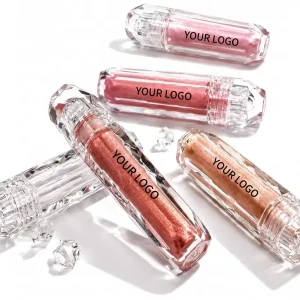
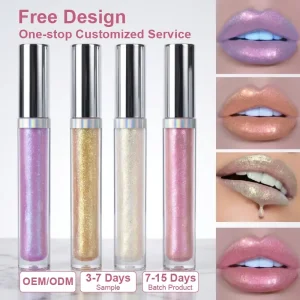
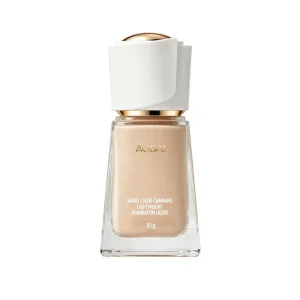
ODM China Smart Color-Changing Foundation Liquid - Unique Shade Technology from Leading Suppliers and Factory Supplier, Manufacturers
Inquire Product
 Scan to add WeChat