
Featured OEM/ODM Cosmetic Product Formulations
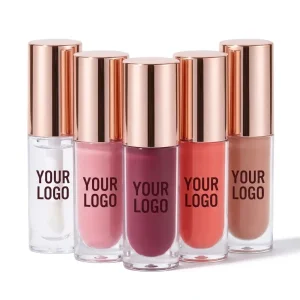
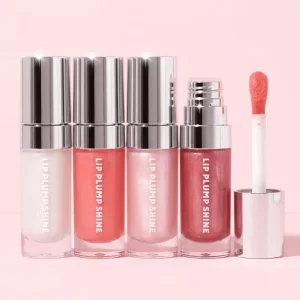
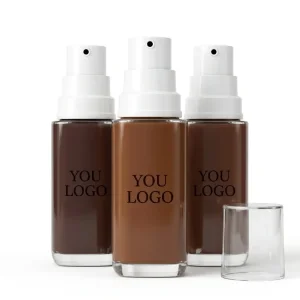
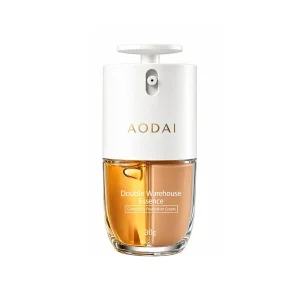
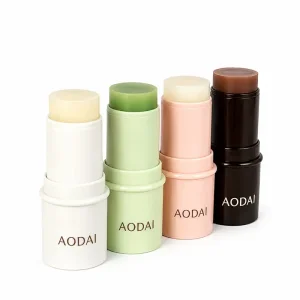
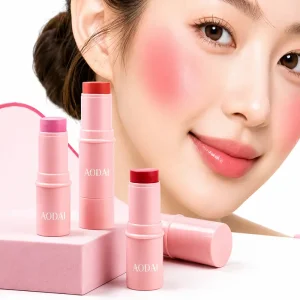
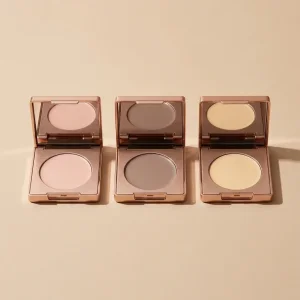
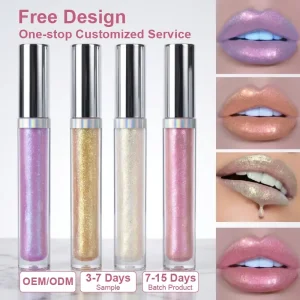
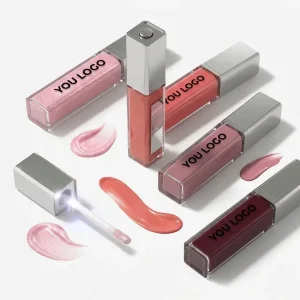
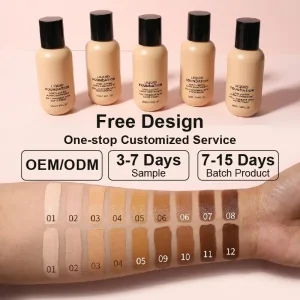
Explore our precision-engineered private label color cosmetics portfolio, showcasing advanced pigment dispersion, air-spun micronization, and thermal skin-fit technologies.

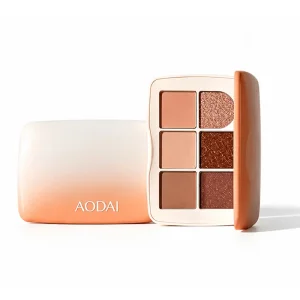
Industry Blueprint: The Evolution of ODM Sparkly Eyeshadow Manufacturing
In the rapidly changing global color cosmetics market, ODM Sparkly Eyeshadow Palette Manufacturers serve a vital role at the intersection of aesthetic innovation, chemical engineering, and regulatory compliance. Modern consumers no longer tolerate glitter formulations that fallout, crease, cause ocular irritation, or feel gritty upon application. Today’s prestige and indie beauty brands demand multidimensional brilliance, buttery-smooth texture payoffs, complex chromacity transitions, and strict compliance with global microplastic directives.
This comprehensive industry whitepaper breaks down the exact technological advancements, global procurement strategies, R&D binder chemistry, and manufacturing parameters required to produce high-impact sparkly eyeshadow palettes. From synthetic fluorphlogopite substrate engineering to cleanroom wet-injection slurry pressing, we examine how top-tier contract manufacturing direct factories achieve zero-fallout performance and pristine batch-to-batch color fidelity.
Search Intent & B2B Procurement Intent Analysis
Global beauty buyers searching for premium ODM sparkly eyeshadow manufacturers look beyond mere price per unit. Primary commercial intent centers around particle suspension stability, pan pressing structural integrity, ophthalmologist-tested safety certifications, and eco-friendly glitter compliance (such as replacing PET microplastics with plant-derived cellulose or high-purity glass borosilicate flakes).
Technical Formulation Architecture: Air-Spun Micronized & Slurry Injection
The core challenge of creating a luxury sparkly eyeshadow lies in balancing heavy pearl loads with light-reflecting substrates without compromising pan binder coherence. Traditional dry powder pressing often results in dusty fallout, hard pan formation, or dull color payoff. Advanced ODM manufacturing relies on dual chemical and physical pillars:
Substrate Engineering
Utilizing Synthetic Fluorphlogopite (Synthetic Mica) and Calcium Titanium Borosilicate flakes. Synthetic mica offers superior clarity, higher purity, and smoother particle edges compared to natural mica, preventing ocular micro-abrasions while amplifying light refraction.
Silicone-Ester Binder Matrix
A proprietary blend of Isododecane, Dimethicone, and plant-derived Squalane wraps around each pearl particle. This hydrophobic coating creates an ultra-flexible, cushioned film on the eyelid, guaranteeing 16-hour crease-proof wear.
Air-Spun Jet Milling
High-speed fluid energy jet mills pulverize base matte pigments down to 5-10 microns while preserving glitter particle dimensions (40-150 microns). This ensures silky base blending alongside vibrant sparkle expression.
Comparative Analysis: Manufacturing Methods
| Manufacturing Parameter | Traditional Dry Pressing | Back-Injection Wet Slurry | Air-Spun Micronized ODM (Aodai Tech) |
|---|---|---|---|
| Shimmer & Pearl Load | 15% – 30% Maximum | 35% – 50% High | Up to 65% Extreme Shine |
| Eyelid Fallout Index | Moderate to High | Low | Zero-Fallout Cushion Touch |
| Texture Payoff | Powdery / Dry | Creamy / Smooth | Velvety Bouncy "Mashed Potato" Touch |
| Pan Shatter Resistance | Brittle (Drop test fail) | Good | High Elasticity Impact Absorbent |
| Regulatory Compliance | Varies by pigment source | Requires solvent drying checks | FDA / EU 2023/2055 Compliant |
Global Procurement Dynamics: Market Demand & Compliance Safeguards
B2B buyers sourcing sparkly eyeshadow palettes operate under tight commercial pressures and strict regulatory deadlines. In the European Union, the implementation of Commission Regulation (EU) 2023/2055 restricting synthetic polymer microplastics has disrupted traditional glitter supply chains. Modern brand sourcing directors must partner with manufacturers that possess immediate access to biodegradable cellulose glitters, mineral mica shimmers, and non-plastic glass substrates.
Low MOQ vs. Mass Production Scale
To support emerging indie brands while serving multinational retail giants, flexible tier-based MOQ frameworks are necessary. Modular filling lines allow initial trial runs at 3,000 units per shade, seamlessly scaling to 100,000 units per day during peak holiday launch cycles.
Cost Structure & Margin Optimization
Direct factory supply chain integration eliminates intermediary trader markups. Raw materials purchased directly from primary pigment houses reduce total COGS (Cost of Goods Sold) by 18-25%, boosting gross profit margins for private label brand owners.
Turnkey Supply Chain Resilience
From primary aluminium pan stamping to secondary FSC-certified paperboard palette assembly, end-to-end ODM solutions prevent supply bottleneck friction. In-house stability testing labs reduce time-to-market by up to 6 weeks.
Full Lifecycle ODM Customization Roadmap
Partnering with an ODM manufacturer should follow a predictable, transparent, and rigorous scientific progression. Below is our engineered 5-stage roadmap designed to bring an initial mood board to global retail distribution seamlessly.
Concept & Color Match
Spectrophotometric shade matching, texture profiling, particle size determination, and preliminary cost target setting.
Lab Prototyping
Formulating sample pans, binder ratio adjustments, press physical testing, and 45°C accelerated stability checks.
Packaging Engineering
Compatibility testing between wet slurry/dry formula and palette housing (Paperboard, Acrylic, Magnetic, Aluminum).
Regulatory Audit
Compiling PIF (Product Information File), FDA VCRP filings, heavy metal panel testing, and eye safety certifications.
Mass Production
Automated powder milling, dust-free pressing, robotic pan placing, inline vision inspection, and international shipping.
Global Manufacturing Benchmark: Cleanroom Precision & Regulatory E-E-A-T
Establishing absolute trust (E-E-A-T) in contract cosmetics manufacturing requires total transparency regarding production environments and quality control methodologies. Modern South China cosmetic manufacturing hubs feature state-of-the-art facilities that match or exceed Western pharmaceutical standards.
ISO 22716 & GMPC Cleanrooms
Operating within 100,000-class air purified cleanroom environments. Automated HVAC HEPA filtration controls micro-particulates, preventing cross-contamination during loose glitter filling.
Microbiological & Heavy Metal Control
Every batch undergoes rigorous IPC (In-Process Control) testing. Atomic Absorption Spectroscopy verifies that heavy metals remain far below global limits: Lead < 10ppm, Arsenic < 2ppm, Mercury < 1ppm.
Ethical & Social Audit Compliance
Facilities are fully audited by SEDEX (SMETA 4-Pillar), ISO 9001, and ISO 14001 bodies, guaranteeing non-animal tested cruelty-free policies, fair labor practices, and sustainable waste treatment.
B2B Technical & Sourcing FAQ
Direct answers to crucial formulation, compliance, and supply chain questions encountered during enterprise procurement.
Complete Private Label Color & Skin Portfolio
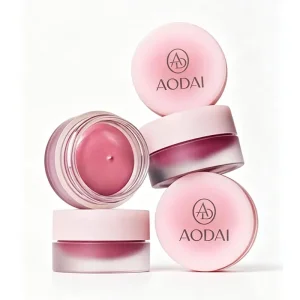
Expand your brand line with our full suite of patented color cosmetics, blush sticks, foundations, and skincare-fusion formulas manufactured under strict GMP standards.



 Scan to add WeChat