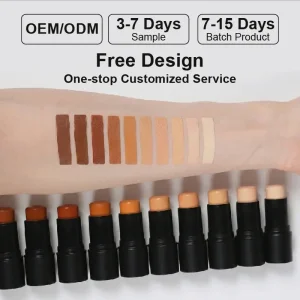
Featured Production Catalog
Precision Dispensing & Formulation Portfolio (Batch Alpha)
Engineered for high-volume international markets: Discover our proprietary formulations and automated pen/stick packaging assemblies.
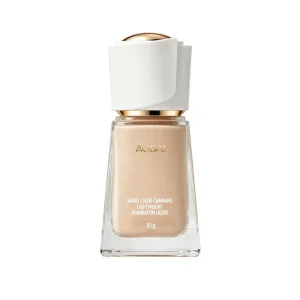
ODM Smart Color-Changing Foundation Liquid - China Suppliers & Factory
View Product Specs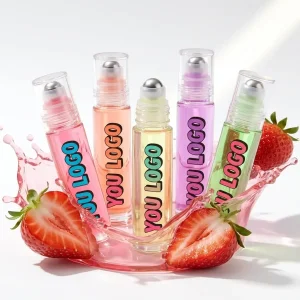
Custom Roll‑On Fruity Lip Oil OEM Suppliers, Factories
View Product Specs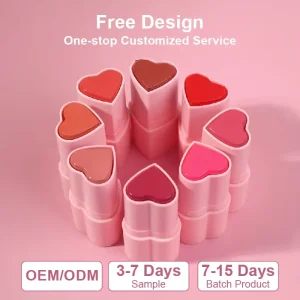
OEM Heart Shape Organic Cream Blush Stick OEM Suppliers, Manufacturer
View Product Specs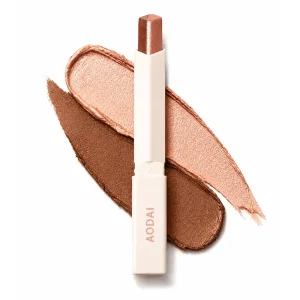
Custom Dual-Color Gradient Eyeshadow Stick - China OEM Suppliers
View Product Specs
OEM Dual-Color Gradient Eyeshadow Stick - Advanced Film-Forming Technology
View Product Specs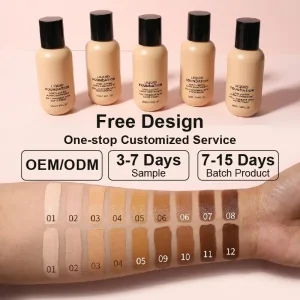
Custom Sunscreen-Support Foundation OEM Factory, Supplier
View Product Specs
ODM Double-Effect Mirror Fog Non-sticky Lipstick Supplier, Factories
View Product Specs
Market Dynamics & Global Overview
The Global Commercial Landscape of Erasable Highlighters
Analysis of high-precision thermochromic microencapsulation, global shifts away from permanent dye-bleed markers, and the exponential expansion of non-destructive document markup.
Evolution From Permanent Fluorescent Inks to Dynamic Reversible Substrates
In the contemporary B2B stationery and technical marking sector, the erasable highlighter has transitioned from a novelty consumer gadget into an essential workflow utility across global educational institutions, corporate operations, legal drafting chambers, and design studios. Traditional highlighters rely heavily on acid-based triphenylmethane or pyrene dye complexes that chemically bind to cellulose fibers. Once deposited, these permanent solvents cause fiber swelling, significant ghosting, and paper cockling, rendering subsequent modifications impossible without aggressive mechanical abrasion or chemical correction fluids.
The modern OEM erasable highlighter segment has resolved this friction through the commercial scaling of thermochromic microencapsulation chemistry. Global procurement data reveals an escalating compound annual growth rate (CAGR) of 8.4% within specialized functional marking instruments between 2024 and 2032. Procurement departments within tier-one stationery conglomerates and private label retail brands are actively diversifying away from conventional single-use markers toward friction-erasable, temperature-reactive marker pens. This transition is propelled by three primary vectors: strict corporate demands for document re-usability, consumer appetite for smudge-free study systems, and rigorous European and North American mandates regulating volatile organic compounds (VOCs) and microplastic leachates.
Global Market Penetration
Over 480 million units of thermochromic marking pens are absorbed annually across Europe, North America, and East Asia. Sourcing volumes are shifting heavily toward fully integrated OEM factories capable of formulation stabilization.
Regulatory Stringency
Stringent compliance frameworks, notably EN 71-3 (safety of toys), ASTM D-4236 (LHAMA), and REACH Annex XVII, dictate absolute non-toxicity, zero bisphenol release, and heavy-metal-free carrier formulations for global import.
Packaging & Ergonomics
B2B buyers are demanding custom barrel injection designs, dual-tip chisel/bullet geometries, elastomeric friction studs with zero wear degradation, and automated airtight sealing systems to maximize shelf life.
Materials Science & Chemical Formulation
The Physics & Chemistry of Thermochromic Inks
A comprehensive examination of three-part microencapsulated leuco dye complexes, metachromatic temperature hysteresis, and non-destructive friction physics.
Three-Component Microcapsule Phase Dynamics
At the center of an OEM erasable highlighter’s industrial success is its ternary thermochromic pigment system. Unlike standard water-based dye inks, erasable highlighter fluid is not a true solution; it is a stabilized colloidal suspension containing millions of micro-engineered capsules ranging between 1.0 and 2.5 microns in diameter. The structural composition of these microcapsules includes three distinct chemical constituents hermetically sealed within a cross-linked melamine-formaldehyde or polyurethane polymeric shell:
- The Chromogenic Compound (Leuco Dye): An electron-donating organic dye molecule (commonly fluoran or spirolactone derivatives) capable of toggling between a colored conjugated form and a colorless spiro-ring closed isomer.
- The Color Developer (Weak Organic Acid): An electron-accepting proton donor, such as propyl gallate or long-chain phenolic compounds, which complexes with the leuco dye to initiate the visual spectrum display at ambient temperatures.
- The Phase-Change Solvent (Temperature Regulating Medium): High-molecular-weight aliphatic esters, fatty acids, or long-chain alcohols that undergo a precise solid-to-liquid phase transition at specified thermal trigger points.
When the integrated thermoplastic elastomer (TPE) friction eraser tip is rubbed vigorously over the highlighted substrate, mechanical friction generates localized kinetic thermal energy exceeding 60°C (140°F). At this exact threshold, the hydrophobic phase-change solvent melts into a liquid state. This physical liquefaction dissociates the chemical bond between the electron-donating leuco dye and the electron-accepting developer acid. The leuco dye rings close into their lactone state, transitioning the ink from intensely fluorescent (yellow, green, pink, pastel purple) into complete optical transparency.
| Technical Characteristic | Conventional Highlighter | Standard Friction Erasable (Legacy) | Advanced OEM Thermochromic (Our Factory Standard) |
|---|---|---|---|
| Pigment Particle Diameter | Sub-nanometer (Dissolved Dyes) | 4.5 – 6.0 μm (High Clog Risk) | 1.2 – 2.1 μm (Ultra-Sonic Micro-Emulsion) |
| Decolorization Temperature | Non-Erasable | 50°C – 55°C (Accidental Fade) | 60°C – 65°C (Controlled Thermal Clearance) |
| Re-colorization (Freeze Threshold) | N/A | -5°C (Spontaneous Return) | -15°C to -20°C (Extended Erasure Retention) |
| Substrate Integrity Post-Erasure | Fiber Tearing / Chemical Etch | Mechanical Fiber Abrasion | Zero Fiber Deformation; Smooth Glaze Retention |
| Cap-Off Latency (Room Temp) | 4 – 8 Hours | 12 – 18 Hours | 48 – 72 Hours (Controlled Humectant Matrix) |
Smart Manufacturing & Industrial Scale
Chinese Manufacturing Efficiency & Supply Chain Dominance
How vertically integrated Chinese OEM/ODM facilities deliver unprecedented economies of scale, strict dimensional tolerances, and high-speed robotic assembly.
End-to-End Vertical Integration in High-Speed Pen Manufacturing
Operating a high-yield OEM erasable highlighter manufacturing facility requires absolute synchronization between synthetic chemistry, precision injection molding, fiber reservoir extrusion, and automated ultrasonic assembly. The competitive advantage of our Chinese production base in Guangdong centers on total vertical supply chain integration. In contrast to fragmented regional assemblers who import empty shells and outsource ink blending, our campus manages every operational node under strict ISO 9001 and ISO 22716 cleanroom standards.
Our injection molding workshops deploy Japanese all-electric CNC injection presses running 64-cavity high-precision hot-runner molds. These machines form polypropylene (PP) pen barrels, POM inner caps, and airtight seals with run-out tolerances controlled to within ±0.015 mm. This mechanical precision is critical: because thermochromic inks possess delicate surfactant equilibria and volatile organic carrier bases, any microscopic atmospheric leakage around the nib housing leads to premature crystallization and irreversible reservoir drying.
30+
Automated Assembly Lines
70,000 m²
Smart Campus Footprint
< 0.15%
In-Line Defect Rejection Rate
1.8M Units
Daily Output Capacity
Automated Reservoir Wicking & Metering
Utilizing closed-loop gravimetric vacuum ink-injection technology. Each high-density polyester fiber reservoir is saturated with calculated ink weights to within ±0.05g, eliminating blotches and starvation.
Ultrasonic TPE Stud Fusion
Friction erasers are molded from proprietary styrene-ethylene-butylene-styrene (SEBS) compounds and fused to the barrel housing via high-frequency ultrasonic welders, eliminating adhesive failure.
High-Speed Machine Vision Inspection
Every single unit undergoes automated 360-degree optical verification. High-speed industrial CCD cameras inspect chisel nib geometry, capillary seating depth, and laser barrel printing in real time.
Application Scenarios & User Intent
Cross-Industry Commercial & Localized Use Cases
Evaluating real-world workflows where reversible marking enhances operational speed, prevents legal disputes, and provides sustainable paper utilization.
Tertiary Education & Textbook Preservation
In international academic settings where high-value reference textbooks and library journals are recirculated, erasable highlighters allow intensive multi-tier notation without devaluing resale asset worth or damaging thin bible-grade papers.
Corporate Auditing & Legal Contract Review
Legal drafting teams and forensic accountants employ specialized dual-color erasable markers during provisional clause reviews. Preliminary markups can be selectively purged via thermal friction once verified, preserving original document clean states.
Schedule Optimization & Agile Management
Physical Kanban walls, project planning matrices, and personal luxury planners rely on pastel-hued erasable highlighters to categorize shifting sprint milestones, avoiding the visual disarray of scratch-outs and correction tapes.
Technical Blueprinting & Architectural Schematics
Architects and structural engineers annotate multi-layer CAD plots on delicate vellum and tracing stock. Our zero-bleed formula ensures non-feathering lines that wipe away cleanly without compromising base blueprints.
Dual-Discipline Cosmetic & Skin Marking Systems
Leveraging our dual chemical capacity in color cosmetic manufacturing and technical fluids, we engineer skin-safe erasable markers utilized in cosmetic surgery mapping, microblading pre-draws, and temporary aesthetic guidelines.
Emerging Innovations & Roadmap
Technological Roadmaps & Future Industry Trends
Strategic analysis of bio-based resins, multi-temperature color toggling, and circular economy stationery systems dominating procurement requests for 2025–2030.
Multi-Threshold Chromatic Memory
Next-generation R&D is delivering three-state formulations where variable friction heat triggers different chromatic shifts (e.g., green shifts to soft yellow at 40°C, and fully clears at 65°C), unlocking revolutionary multi-level coding capabilities.
Post-Consumer Recycled (PCR) & Bio-Plastics
Global retail directives are accelerating the adoption of 85%+ GRS-certified post-consumer PP resins for marker barrels and plant-derived polylactic acid (PLA) cap components, achieving carbon neutral lifecycle scores.
Photostable Pastel Micro-Pigments
Historical thermochromic dyes suffered rapid UV photodegradation under window exposure. Our advanced lab has successfully incorporated hindered amine light stabilizers (HALS), extending lightfastness ratings beyond 24 months of ambient display.
Quality Assurance & Compliance Matrix
Procurement Mandates, Quality Audits & Buyer Protocols
A comprehensive walkthrough of critical laboratory certifications, toxicological assays, and drop-shipping inspection criteria required by institutional importers.
International Compliance Frameworks for Bulk Importation
Procuring functional writing instruments requires rigorous adherence to jurisdictional chemical directives. Importers face catastrophic customs seizures and product recalls if their contract manufacturers utilize unverified plasticizers or non-compliant colorants. Our manufacturing ecosystem operates under continuous independent third-party monitoring by SGS, Intertek, and TÜV Rheinland to ensure uncompromised market access across tier-one international markets:
- European Union (EN 71 Parts 1, 2, 3 & 9): Verification of physical safety (ventilated child-safety caps per BS 7272-1/2), flammability, and strict migration limits for 19 heavy metals including lead, antimony, and barium. Full compliance with REACH SVHC (Candidate List of Substances of Very High Concern).
- North American Market (ASTM D-4236 & LHAMA): Formal Toxicological Risk Assessments (TRA) conducted by board-certified toxicologists verifying formulas are non-toxic, non-irritating, and free from chronic health hazards. Total conformity with California Proposition 65 requirements.
- Transport & Warehouse Stability (IATA & IMDG): Formulated with stabilized vapor pressures to withstand negative pressure fluctuations during airfreight (95 kPa differential test) and thermal swings from -25°C to +55°C during oceanic container transit without leakage or capsule collapse.
BS 7272 Safety Caps
Ventilated cap engineering ensuring continuous airflow over 8 liters/min at 1.33 kPa pressure drop, mitigating asphyxiation risks in compliance with international child-protection statutes.
Zero Bisphenol Compounds
Eliminating BPA, BPS, and BPF from developers. Formulated exclusively using benign multi-ring polyphenols to exceed EU 2024 environmental restrictions.
Hermetic Seal Testing
Standardized vacuum chamber decay tests at -0.08 MPa for 30 minutes ensuring zero microscopic barrel leakage and an uncompromised 3-year factory shelf life.
SEDEX SMETA 4-Pillar
Ethical supply chain transparency, social compliance, child labor prohibition, and environmental stewardship certified via yearly Sedex Member Ethical Trade Audits.
Technical FAQ
Frequently Asked Procurement & Engineering Questions
Direct answers from our senior chemical formulation team and global logistics directors on MOQs, tooling parameters, and chemical stability.
What is the standard Minimum Order Quantity (MOQ) for custom-branded erasable highlighters?
For custom barrel pantone colors, specialized silk-screen branding, and our existing stable ink library (6 standard pastel shades / 6 fluorescent shades), the standard MOQ is 10,000 units per colorway. Fully customized exterior barrel tooling or novel custom chemical dye formulations typically start at 50,000 units due to masterbatch blending and automated injection calibration runs.
How does your factory prevent the thermochromic ink from fading during summer shipping?
Standard thermochromic inks may start clearing if maritime cargo holds exceed 50°C. Our proprietary commercial formulations are engineered with an elevated metachromatic trigger point of 60°C to 65°C (140°F–149°F). In addition, for trans-equatorial shipments, we offer temperature-monitored refrigerated reefer containers or insulated thermal container liners upon buyer specification.
Can previously erased text spontaneously reappear under normal customer conditions?
No. Our microcapsule formulation features an engineered hysteresis curve with an exceptionally broad thermal memory gap. Decolorization occurs at ≥60°C, while complete chromatic reactivation requires deep sub-zero exposure below -15°C to -20°C (5°F to -4°F) for extended durations. Ordinary domestic refrigeration or winter ambient temperatures will not trigger ghosting.
What is the difference between OEM, ODM, and OBM manufacturing paths?
OEM (Original Equipment Manufacturing) involves manufacturing based strictly on your precise technical blueprints, tooling dimensions, and pre-selected formulations. ODM (Original Design Manufacturing) leverages our in-house 5,000+ mature formula library and ready-to-tool industrial designs, shortening launch cycles to under 45 days. OBM (Original Brand Manufacturing) delivers finished, market-tested private label solutions complete with retail packaging.
How does the friction eraser tip endure repetitive use without crumbling?
Unlike conventional abrasive rubber pencil erasers that rely on sacrificial matrix degradation to lift graphite, our thermal erasers are composed of non-wearing, vulcanized thermoplastic elastomers (TPE/SEBS). The eraser generates clean kinetic thermal energy via high coefficient of friction without releasing crumbs, residue, or tearing the underlying paper substrate.
Can you manufacture dual-tip or gradient-color functional markers?
Yes. Our automated lines accommodate dual-chamber barrel extrusion allowing dual-ended configurations: either combining a 3.8mm chisel tip with a 0.5mm ultra-fine bullet tip, or integrating two complementary thermochromic colors within an isolated dual-reservoir architecture with zero cross-contamination.
Extended Manufacturing Directory
Precision Dispensing & Formulation Portfolio (Batch Beta)
Explore our advanced cosmetics and fluid dispensing product capabilities produced across our 30+ automated cleanroom lines.
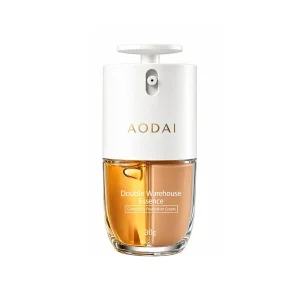
Custom China Suppliers Double-Warehouse Essence Concealing Foundation Cream
View Product Specs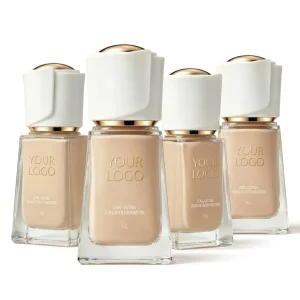
Custom Long-Lasting Sunscreen Foundation Suppliers, Manufacturer
View Product Specs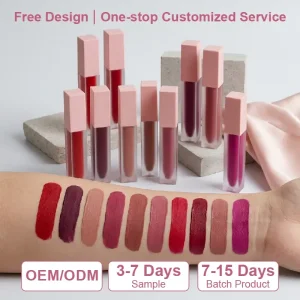
Custom Pink‑cap Frosted Square Matte Liquid Lipstick OEM Manufacturers
View Product Specs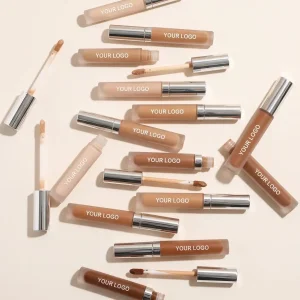
Custom China OEM Cream Concealer Palette - Mineral Formula
View Product Specs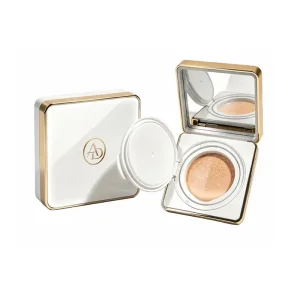
OEM China Suppliers Private Label SPF30 Sunscreen Concealing Cushion
View Product Specs
OEM China Factory Private Label SPF30 Cushion - All-Around Protection
View Product Specs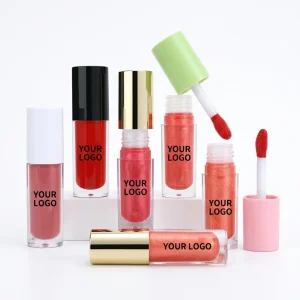
OEM Crystal Gloss Lip Lacquer - China Suppliers & Factory
View Product Specs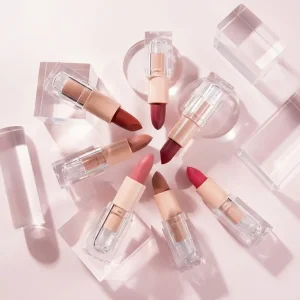
 Scan to add WeChat