Turnkey Cosmetic Solutions for the UK Eye & Face Market
Formulated to conform with strict UK Cosmetics Regulation (Schedule 34) standards while delivering industry-leading pigment concentration, mechanical precision, and smudge resistance.
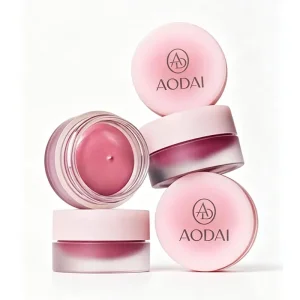
The UK Eyeliner & Color Cosmetics Landscape: Structural Realities
British beauty retail is undergoing a profound paradigm shift driven by digital-native D2C powerhouses, high-street drugstore consolidation, and heightened regulatory expectations under the post-Brexit regime.
High-Street vs. Prestige Divide
In the United Kingdom, color cosmetics retail is dominated by Tier-1 pharmacy chains such as Boots and Superdrug on the high street, alongside luxury department stores like Harrods, Selfridges, and Harvey Nichols. Eyeliner represents one of the highest stock-turnover SKUs in the eye category.
While high-street brands require ultra-aggressive Cost of Goods Sold (COGS) under £0.75-£1.30 per unit to survive retail margin squeezes, prestige British labels focus on deep ultra-black dispersion, ergonomic heavy-weight componentry, and custom-tooled soft-touch applicators.
Maritime Weather & 24H Wear
The temperate, humid, and frequently rainy maritime climate of the British Isles presents a unique formulation hurdle: high ambient humidity coupled with variable microclimates accelerates the migration of conventional fatty-acid and wax-based liners.
UK consumers systematically demand waterproof, smudge-proof, and transfer-resistant performance capable of withstanding commuting friction, tear-film degradation, and eyelid sebum secretion over an uninterrupted 16-to-24 hour wear window.
The Domestic Contract Sourcing Deficit
A major commercial challenge for emerging British beauty labels is the acute scarcity of domestic, high-volume color cosmetic factories. Most UK-based contract packagers focus strictly on wet skincare, soaps, and bath toiletries.
Precision color manufacturing requires cleanroom micro-injection molding, automated liquid capillary ink charging, and sub-micron pigment milling machinery that is largely non-existent within the UK's domestic industrial base, driving brands to build enterprise supply links with Tier-1 overseas hubs.
Technical Roadmap: Polymer Physics & Precision Fluid Delivery
Modern eyeliner engineering operates at the intersection of colloidal pigment suspensions, rheological thixotropy, and microscopic fluid flow dynamics.
The Tri-Polymer Complex: Engineering Fracture-Resistant Films
Conventional liquid liners depend heavily on standard Acrylates Copolymers, which frequently suffer from brittleness: as the ocular skin folds during natural blinking (averaging 15,000 to 20,000 blinks per day), the dry polymer film fractures, leading to flaking, chalking, and loss of continuity.
Our laboratory architecture integrates a Tri-Polymer Network (Acrylates/Ethylhexyl Acrylate Copolymer + Polyurethane-35 + Trimethylsiloxysilicate). This system creates an interpenetrating polymer network (IPN) that balances high tensile flexibility with hydrophobic resilience. The polyurethane backbone yields elastic elongation across delicate ocular folds, while the silicone resin (trimethylsiloxysilicate) builds an impenetrable barrier against sebum, skin oils, and water vapor.
Furthermore, dynamic mechanical analysis (DMA) confirms that this matrix maintains its structural integrity at body temperatures (36.5°C–37.2°C) without softening into a tacky state that causes hood-line transfer.
Fluid Mechanics: The Capillary Core vs. Direct-Feed Valve
Liquid eyeliner pens present one of two delivery mechanisms: traditional synthetic fiber reservoirs (capillary bundle systems) or modern mechanical pump-valve mechanisms.
- Polyester/Polypropylene Fiber Cores: Ideal for daily consumer formulas. Capillary tension holds the bulk liquid suspended, preventing leakage during sudden pressure drops (e.g., commercial airline flights). Requires precise calibration of surface tension (28–32 mN/m) and viscosity (8–18 mPa·s).
- Direct-Feed Ball-Bearing Agitators: Designed for high-density metallic and multi-chrome pigment loads. The chamber houses a free-floating surgical stainless-steel ball that re-disperses settled platelet pigments upon shaking, ensuring an uninterrupted flow rate through internal micro-channels without clogging.
- Japanese PBT Micro-Filament Brushes: Engineered with 0.01mm tapered polybutylene terephthalate fibers arranged in a co-axial bundle, providing superior recovery memory compared to felt nibs that blunt after continuous pressure.
| Matrix Architecture | Key Viscosity Range | Film-Forming Chemistry | Pigment Loading (w/w) | Wear Claim Threshold | Target UK Market Segment |
|---|---|---|---|---|---|
| Ultra-Fine Liquid Ink Pen | 10 – 25 mPa·s (Brookfield LV) | Polyurethane-35 & Acrylates Copolymer | 12% – 18% Micro-Carbon Black (CI 77266) | 24-Hour Smudge-Proof / Waterproof | High-Street D2C & Volume Retail |
| Gel Mousse / Clay Liner Pot | 180,000 – 350,000 cPs | Isododecane + Trimethylsiloxysilicate | 25% – 35% Surface-Treated Metal Oxides | 18-Hour Crease-Resistant Base | Professional Artistry & Salon Brands |
| Retractable Mechanical Kohl | Solid Extrusion (Drop Point: 68-75°C) | Synthetic Beeswax, Carnauba & C30-45 Alkyldimethylsilyl | 20% – 30% Treated Pigments + Mica | 12-Hour Waterline-Safe Wear | Prestige Department Store / Boutique |
| Chroma-Shift Liquid Dip Liner | 40 – 85 mPa·s (Thixotropic) | VP/VA Copolymer & Polyacrylate Crosspolymer-6 | 8% – 15% Borosilicate Silica Flakes | 16-Hour Flake-Free Luster | Indie Creator & Festival Lines |
Macro Industry Solutions: Overcoming Physical Failure Modes
Eyeliner hardware and fluid engineering face rigorous operational thresholds. Our factory implements end-to-end stress modeling to mitigate the primary modes of product failure.
Hermetic Airtight Sealing
Volatile solvent bases (such as cosmetic-grade Isododecane or volatile methyl siloxanes) vaporize rapidly when exposed to air. If an eyeliner packaging tolerance exhibits an air leakage rate higher than 0.05 cc/min, the brush nib will desaturate and solidify within 14 days of opening.
We deploy dual-injection elastomeric POM/NBR inner cap-liners with patented spring-assisted click-seal architecture. Every casing undergoes automated vacuum decay leak testing at -0.6 bar for 60 seconds.
Thermal & Rheological Stability
Temperature fluctuations encountered during global intermodal transit can trigger pigment agglomeration, syneresis (oil phase separation), or catastrophic viscosity breakdown.
All OEM formulations are verified under accelerated multi-chamber stability protocols: 3 continuous months at 45°C ± 2°C with 75% RH, -10°C cold storage freeze testing, and 5 continuous thermal shock cycles (-10°C to +50°C in 12-hour alternating phases) to guarantee long-term stability.
Microbial & Eye Safety Defense
Eye products exist in close contact with mucous membranes, tear film glands, and the corneal epithelium. Contamination risks require strict mitigation under ISO 11930 preservation efficacy standards.
Our lab utilizes broad-spectrum, phenoxyethanol-reduced, or paraben-free preservative synergies (e.g., Ethylhexylglycerin + 1,2-Hexanediol + Hydroxyacetophenone) rigorously tested against Pseudomonas aeruginosa, Staphylococcus aureus, and Candida albicans, achieving zero CFU growth.
UK Cosmetic Compliance: SCPN, PIF & Toxicological Gateways
Following the end of the Brexit transition, compliance within England, Scotland, and Wales is governed strictly by the UK Cosmetics Regulation (Schedule 34 to the Product Safety and Metrology etc. Statutory Instrument 2019/696).
The 4 Pillars of UK Market Authorization
To legally place color cosmetic eye products onto the British market, overseas brand owners and British procurement heads must satisfy four mandatory statutory gates:
- Designation of a UK-Established Responsible Person (UK RP): A legal entity or individual physically established within Great Britain who maintains legal liability for product compliance before Trading Standards and the Office for Product Safety and Standards (OPSS).
- Submit Cosmetic Product Notification (SCPN): Products can no longer be notified via the European CPNP portal. All formulations, nanomaterial declarations, frame formulations, and artwork mockups must be directly notified to the UK's proprietary SCPN portal prior to market placement.
- Comprehensive Product Information File (PIF): A 10-year retrievable dossier containing the full manufacturing batch record, ISO 22716 / GMPC certification, quantitative breakdown, preservative challenge test results, and raw material impurity profiles.
- CPSR (Cosmetic Product Safety Report) Part A & B: Formal toxicological clearance evaluated by an EU/UK-qualified safety assessor holding a recognized diploma in toxicology or medicine, calculating precise Margins of Safety (MoS) for ocular exposure.
Heavy Metals, Nano-Pigments & Colorant Limits
Color cosmetic compliance around the eye zone is subject to intense laboratory analysis. We provide batch-certified Inductively Coupled Plasma Mass Spectrometry (ICP-MS) documentation validating compliance against trace heavy metal guidelines:
Lead (Pb): < 2.0 ppm (Well below statutory UK thresholds)
Arsenic (As): < 0.5 ppm • Mercury (Hg): < 0.1 ppm
Cadmium (Cd): < 0.5 ppm • Antimony (Sb): < 0.5 ppm
Carbon Black CI 77266: Declared as nano or non-nano strictly in alignment with purity specifications (> 97% pure carbon, low benzo[a]pyrene, low PAH extraction profiles).
Our documentation service includes generation of SDS (Safety Data Sheets) formatted to UK REACH requirements, IFRA compliance certificates for scented formulations, and fully verified English-language INCI labeling scripts with compliant ingredient cascades.
China Factory 4.0: Supply Chain Resilience & Speed-to-Market
Guangdong Aodai Cosmetics Co., Ltd. (Oulilai Group) operates as the primary intelligent industrial engine bridging agile innovation with massive volume scalability for Western color cosmetic brands.
70,000 m² Intelligent Campus
Based in the Qingyuan High-Tech Corridor with sister R&D hubs in Huadu, Guangzhou, our facility houses 30+ fully automated, robotics-assisted production lines operating under strict ISO 22716 and US FDA GMPC environmental controls.
Class 100,000 cleanrooms govern all liquid formulation bulk blending, micro-filtering, and vacuum de-aeration, eliminating particulate contamination in ocular products.
Automated Capillary Charging
Manual assembly of liquid eyeliner pens induces variance in ink dosage, resulting in uneven writing lengths and premature drying. Our lines utilize automated servo-driven capillary ink injection machines.
Sensors measure ink payload within ±0.02 grams per unit, followed by optical vision inspection systems that verify brush tip concentricity and cap engagement force at speeds exceeding 120 units per minute.
Agile Lead-Time Engineering
While European contract manufacturers routinely require 6-to-9 month order lead times and steep 25,000-unit minimums per SKU, our integrated supply chain model compresses time-to-market dramatically.
We offer benchmarking and shade matching in 7 working days, comprehensive pilot batches in 14 days, and full mass manufacturing dispatch within 30-35 working days post-artwork signoff.
Corporate Procurement Models: OEM, ODM & Full Turnkey
Flexible engagement tiers tailored for British beauty startups, established multi-store retail brands, and enterprise FMCG distributors.
OEM Formulation Supply
Designed for brands with proprietary injection molds or pre-established domestic packaging supply chains. We develop, bulk-compound, and deliver bulk liquid or bulk slurry formulas in compliance with your specified specifications.
- Custom color shade adjustments & pantone matching
- Supplied in bulk drums or un-filled bulk cartridges
- Full Certificate of Analysis (CoA) & batch microbiology
Turnkey ODM Solutions
Our most popular model for British D2C and high-street creators. We provide full end-to-end management: custom formula development, stock or semi-custom packaging selection, secondary packaging printing, and certified filling.
- Low initial MOQs starting from 3,000 units on stock tooling
- Silk-screen printing, hot stamping, UV lacquering, soft-touch coatings
- SCPN ready documentation package & SDS support
Bespoke Enterprise Tooling
Engineered for luxury retailers and global cosmetic groups requiring unique industrial designs, proprietary ergonomic grips, magnetic closure mechanisms, or custom dual-ended applicator architectures.
- 3D prototyping & functional resin mockups in 5 days
- High-precision multi-cavity steel molds (100k+ life cycle)
- Full patent assignment and design exclusivity agreements
Expanded Color Cosmetics & Eye Makeup Portfolio
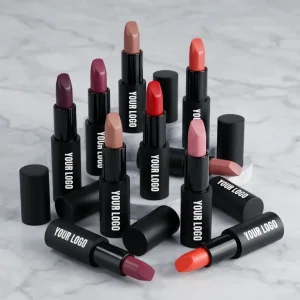
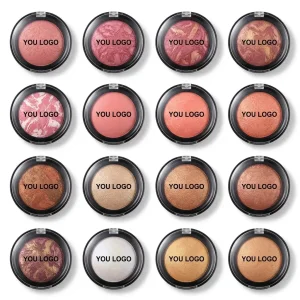
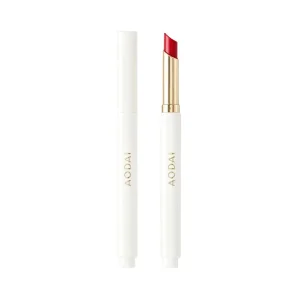
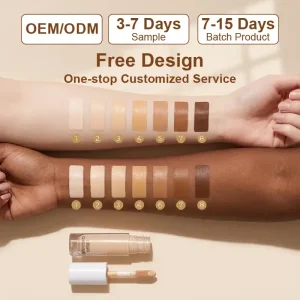
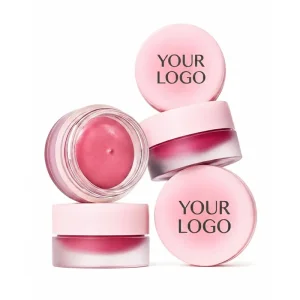
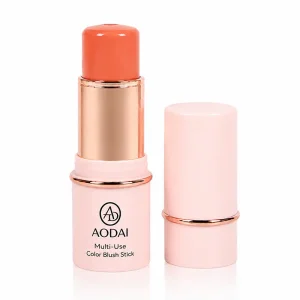
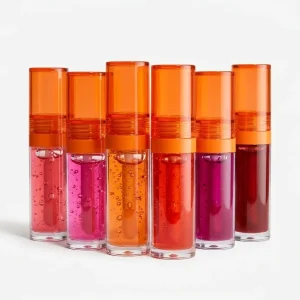
Discover our scalable formulations spanning long-wear velvet liners, lip pigments, baked powders, and multi-functional coverage solutions ready for custom private labeling.
Frequently Asked Engineering & Sourcing Questions
Direct answers addressing formulation chemistry, UK regulatory mechanics, component compatibility, and production timelines.
How do you resolve eyeliner tip clogging and nib desaturation when using high-load pearlescent or metallic mica pigments?
Conventional capillary felt tips entrap platelet pigments exceeding 10-15 microns within the fiber mesh, resulting in rapid mechanical blockage. To formulate stable metallic, chrome, and glitter liquid liners, we deploy two solutions: first, utilizing ultra-pure, micro-milled synthetic fluorphlogopite or borosilicate flakes calibrated below 12 microns with hydrophobic dimethicone coatings; second, migrating from standard capillary ink reservoirs to a mechanical direct-delivery system featuring an internal bypass valve and dual high-density 316 stainless-steel mixing beads. This physical configuration ensures that shaking the pen re-suspends the colloidal slurry without trapping flakes in the fluid delivery channels.
What specific documentation does Aodai supply to assist our UK Responsible Person with SCPN notification and PIF creation?
We provide a turnkey technical dossier tailored specifically for UK toxicologists and Responsible Persons. This dossier includes: 1) 100% quantitative and qualitative chemical formulation disclosures with CAS and EC numbers; 2) Raw material Safety Data Sheets (SDS) conforming to UK REACH; 3) Heavy metal testing assays (ICP-MS) validating trace limits for Pb, As, Hg, Cd, and Sb; 4) 3-month accelerated stability testing data and container-closure compatibility reports; 5) ISO 11930 Antimicrobial Preservative Efficacy Testing (PET) challenge test results; 6) ISO 22716 / GMPC factory audit certifications; and 7) Impurity declarations regarding secondary amines, nitrosamines, and residual monomers.
What are the practical Minimum Order Quantities (MOQs) for custom-formulated eyeliners vs. stock-packaging solutions?
For private label programs utilizing our pre-tooled, factory-stock airtight packaging components (matte black or clear soft-touch pen shells, dip vials, or gel pots), our baseline MOQ starts at 3,000 units per shade. This allows agile British indie brands to enter the market with low capital exposure. If your brand requires custom pantone-matched plastic injection molding, specialized soft-touch rubberized barrel coatings, or hot-stamped full-wrap artwork, the standard MOQ is 5,000 to 10,000 units. For fully bespoke, privately tooled metal or weighted acrylic shells, tooling investment begins at 20,000 units.
Can you engineer water-resistant eyeliners without using cyclic silicones (D4, D5, D6) and carbon black nano-particles?
Yes. In full accordance with UK and EU chemical restrictions on octamethylcyclotetrasiloxane (D4) and decamethylcyclopentasiloxane (D5) under REACH Annex XVII, our clean-beauty liquid and gel eyeliner formulas substitute cyclic siloxanes with volatile plant-derived Isododecane, hydrogenated polyisobutene, or ultra-light hemisqualane. For brands requesting non-nano positioning, we utilize specialized surface-treated black iron oxides (CI 77499) with triethoxycaprylylsilane coatings, or high-purity, non-nano grade carbon black matrices that achieve intense jet-black payoff (ΔE color density > 98.5) while remaining 100% compliant with clean retailer lists such as Boots Clean Beauty standards.
What are the standard freight pathways, transit times, and import duties from your factory to the United Kingdom?
We support multiple shipping modes depending on your brand's speed and cost targets. For rapid retail replenishment or seasonal launches, DDP/DAP air freight from Guangzhou/Shenzhen to London Heathrow (LHR) takes 5 to 8 working days. For bulk ocean container freight, shipments routing from Nansha or Yantian ports to Felixstowe or Southampton require roughly 28 to 35 transit days. Color cosmetics imported into the UK generally clear under UK Global Tariff code HS 3304.20.00 (Eye make-up preparations), typically carrying a 0% tariff rate under standard conditions, subject to UK VAT (20%) which your designated UK VAT-registered entity can reclaim through customary customs clearance documentation.
Scale Your Color Cosmetics Brand with Industrial Precision
Whether formulating an ultra-black 24H liquid eyeliner pen, a waterline-safe gel pot, or navigating post-Brexit UK SCPN registration, our formulation chemists and packaging engineers are standing by to review your technical brief.
 Scan to add WeChat