Priority Production Lines for Korea & Global Export
Turnkey color-skincare hybrid products engineered with high shear emulsification and micronized pigment dispersions compliant with MFDS regulations.
The South Korean Lip Care Landscape: From Decor to Dermo-Cosmetic Fusion
Understanding the regulatory, chemical, and retail dynamics driving the multi-million dollar K-Beauty lip treatment and hybrid color category.
The South Korean cosmetic ecosystem operates as the global vanguard for aesthetic innovation, yet its domestic lip care segment has undergone a foundational paradigm shift. Historical consumption patterns prioritized hyper-pigmented tints and traditional waxes. Today, driven by institutional consumer platforms such as CJ Olive Young, Hwahae (화해), and Coupang, the Korean consumer demands skincare-grade lip treatments capable of passing rigorous safety screenings while delivering an ethereal "Tanghulu" (sugar-glazed) finish.
In the Korean domestic market, lip care is no longer evaluated merely as an anti-chapping utility; it is treated as a specialized extension of the facial barrier routine. Lips possess no sebaceous glands, a thin stratum corneum (3–5 cellular layers versus 15–20 on standard facial skin), and negligible natural moisture factor (NMF) synthesis. Consequently, extreme dry seasons across the Korean peninsula (Siberian high-pressure winters) combined with high-pollution urban centers demand formulations incorporating ceramides (EOP, NP, AP), micro-molecular hyaluronic acids, biomimetic peptides, and fermented seed phyto-oils.
Regulatory Compliance Notice: MFDS Functional Cosmetics Standards
Supplying lip care into South Korea requires strict adherence to the Ministry of Food and Drug Safety (MFDS, 식품의약품안전처). Any lip product claiming "wrinkle reduction" (adenosine-infused) or "UV protection" must be registered as a Functional Cosmetic (기능성화장품). Our automated facilities prepare the required safety dossiers, stability assessments, and Raw Material Safety Data Sheets (RMSDS) with full 26-allergen disclosure required by Korean customs and consumer safety frameworks.
Furthermore, the retail reality of South Korea requires unprecedented formulation agility. The typical product lifespan on Olive Young shelves from viral emergence to peak replenishment is often compressed into 60 to 90 days. For international brands seeking to supply the Korean domestic channel or Korean indie brands building cross-border prestige lines, maintaining a high-velocity, flexible manufacturing pipeline is the decisive operational metric.
The "Clean-ical" Formulation Mandate
Exclusion of petrolatum-heavy bases in favor of phytosteryl/isostearyl dimer dilinoleates, cold-pressed meadowfoam seed oil, and plant squalane to satisfy strict Hwahae clean ingredient scoring.
Aesthetic Glass & Plumping Textures
Engineering non-tacky high-viscosity polybutene substitutes and optical light-scattering spheres that create a mirror-plump appearance without chemical stinging or irritant flushing.
Eco-Functional Airless Packaging
Integration of metal-free pump systems, bio-resin tubes, and sanitizable silicone spatulas that prevent formula oxidation and microbiological contamination over repeated consumer use.
Global Lip Care Benchmarks: Structural Shifts & Market Analytics
Quantifying the global transition toward clinical color care, high-efficiency cross-border sourcing, and formula standardization.
Across North America and Western Europe, lip care has historically focused on waxy occlusive balms or hyper-pigmented long-wear liquid mattes. However, driven by viral South Korean lip tint innovations and TikTok's "Clean Girl" aesthetic, the Western market is adopting Korean consumer preferences: nourishing lip oils, jelly melting sticks, and multi-peptide barrier treatments.
This cross-pollination has created an unprecedented opportunity for global brands to source from specialized industrial centers capable of merging K-Beauty aesthetic trends with massive manufacturing capacity. The global lip care category is experiencing rapid growth, but the competitive barrier has moved from brand storytelling to raw biochemical efficacy and industrial yield.
| Formulation Parameter | Legacy Western Lip Balm | Standard Domestic Korean Product | Aodai Smart Factory Advanced Export Platform |
|---|---|---|---|
| Base Rheology | Heavy paraffin, microcrystalline wax, petrolatum matrix | Medium viscosity ester oils with synthetic wax stabilizers | Triple-network botanical polyol + ester gel with custom melting point curve (34°C–37°C) |
| Active Payload | 1% - 3% (Standard Vitamin E, basic shea butter) | 3% - 5% (Centella Asiatica, single ceramides) | Up to 10% Active Complex (Hexapeptides, Multi-Ceramides, Micro-HA, Phytosphingosine) |
| Sensory Profile | Waxy, occlusive drag, matte or low sheen | Lightweight, water-burst, high glass sheen | Cushion-glide, non-migrating optical refraction glaze with zero tackiness |
| Regulatory Readiness | US FDA 21 CFR / EU CPNP base standard | MFDS domestic notice, local Korean labels | Multi-Jurisdiction Pre-Audit: MFDS Korea, US FDA, EU CPNP, ASEAN, & GCC certified |
| Production Cycle | 12–16 weeks lead time, rigid packaging catalogs | 8–12 weeks lead time, high domestic tolling cost | 3–4 weeks turnaround via 30+ automated lines & in-house tooling suites |
China Factory Efficiency: The Strategic Advantage for Korean Sourcing
How Guangdong Aodai Cosmetics utilizes automated infrastructure, economies of scale, and proprietary patent portfolios to support global lip care brands.
While South Korean R&D labs excel in identifying aesthetic nuances, domestic Korean manufacturing infrastructure frequently faces high labor costs, limited bulk tank capacities, and packaging component bottlenecks. International enterprises targeting the Korean market—as well as Korean beauty conglomerates expanding globally—increasingly rely on the Guangdong smart manufacturing cluster as their engine for industrial scale.
Operating under the Oulilai Group alongside the Huadu R&D Hub, Guangdong Aodai Cosmetics Co., Ltd. provides an industrial footprint designed to solve supply chain fragility. Situated in an intelligent manufacturing campus spanning 70,000+ square meters with 30+ fully automated filling and packaging lines, our infrastructure transforms trend briefs into commercial shelf inventory at speed.
Automated Precision Filling
Multi-nozzle robotic hot-filling with ±0.05g weight accuracy ensures zero air bubbles, perfect bullet surfaces, and pristine fill lines for high-viscosity lip glazes, oils, and balms.
Micro-Press Dispersion Tech
Proprietary high-shear colloidal milling processes reduce organic color pigments and functional mineral shields below 2.5 microns, preventing particle aggregation and grittiness.
Rapid Prototyping to Sea Transit
Sample dispatch within 72 hours, stability validation in accelerated thermal chambers, and immediate freight dispatch via direct sea routes connecting Guangdong ports to Incheon/Busan.
Application Scenarios: Engineering for Korean Consumer Life Realities
Tailoring active lip formulations to micro-climatic stresses, urban lifestyle patterns, and clinical dermatological procedures.
In product formulation, laboratory efficacy must survive real-world environmental stress. For the Korean target demographic, formulas are architected around four distinct environmental and behavioral use cases:
1. The Sub-Zero Seoul Commute: Trans-Epidermal Barrier Restoration
Winter conditions in Seoul and northern Gyeonggi provinces regularly bring sub-zero temperatures paired with biting northwestern winds. Standard humectant-based balms containing high glycerin levels fail because they draw water out of the lip vermilion border when ambient humidity drops below 30%. Our Korean-spec lip balms utilize a lamellar lipid crystalline phase pairing phytosterol esters with ceramide NP. This creates a breathable, non-occlusive moisture seal that reduces TEWL (Trans-Epidermal Water Loss) by up to 48% over 8 hours of sub-zero exposure.
2. Post-Dermal Filler & Aesthetic Clinic Rejuvenation
South Korea maintains the world’s highest per-capita rate of non-invasive aesthetic procedures, including hyaluronic acid vermilion filler enhancements. Clinical providers require gentle, non-irritating, preservative-free lip barrier emollients to soothe post-injection trauma. Our specialized sterile-filling lip ointment lines integrate Madecassoside, Palmitoyl Tripeptide-38, and medical-grade bisabolol, manufactured in Class 100,000 cleanrooms without synthetic fragrance or drying alcohols.
3. The 12-Hour Office Dehydration Environment
The standard Korean working day takes place inside modern corporate towers with aggressive year-round climate control—hot floor-level HVAC heating (Ondol-style vents) during winter and moisture-stripping air conditioning during summer. For this demographic, we engineered our Bi-Phase Cushion Lip Oils. Combining a light, aqueous essence layer with an oil-soluble lipid polymer cap, it delivers instantaneous moisture upon contact followed by a lasting protective shine that survives continuous coffee consumption without slipping into perioral fine lines.
4. The K-Pop Gradient "Blotted Glass" Hybrid Look
Contemporary Korean color trends have evolved from flat matte lips to multi-dimensional gradient finishes: a velvet blurred interior with a high-gloss, translucent exterior. Our dual-compatible formulations combine oil-dispersed micro-pigments with self-leveling silicone cross-polymers. This enables the user to achieve a soft-focus blur along the lip contour while layering an ultra-reflective glaze at the center without dissolving the underlying pigment structure.
Enterprise B2B Procurement Blueprint: From Brief to Scale
A transparent, institutional quality-assurance protocol minimizing compliance risks for brand managers and procurement directors.
Phase 1: Rheological Target Formulation
Customizing melting points, thixotropic recovery indices, and sensory slip profiles using Brookfield viscometers to match target brand benchmarks within ±3% variance.
Phase 2: Stress-Test Stability Auditing
Batches undergo cyclical thermal stress (-10°C to +50°C across 30 days), UV accelerated aging, and centrifuge separation tests at 4000 rpm to ensure zero sweating or blooming.
Phase 3: Heavy Metal & Purity Assay
Inductively Coupled Plasma Mass Spectrometry (ICP-MS) screening verifies Lead (<20ppm), Arsenic (<5ppm), Mercury (<1ppm), and Antimony conform strictly below MFDS safety thresholds.
Emerging Lip Care Horizons: Bio-Fermentation, Neuro-Sensory & Eco-Packs
The next generation of lip care formulations integrating biotech fermentation, circular economy packaging, and sensory neurocosmetics.
The global cosmetics industry is shifting away from petroleum-derived polymers toward carbon-neutral biotechnology. In lip care, this transformation is visible across three primary areas:
- Bio-Engineered Fermented Oils: Standard vegetable oils (olive, sunflower, jojoba) tend to oxidize rapidly, generating rancid odors and destabilizing product shelf life. Our R&D team uses precision fermentation with Pseudozyma epicola yeast cultures to create fermented botanical oils. These bio-lipids yield 4x higher free fatty acid concentrations, superior skin bioavailability, and exceptional oxidative stability without synthetic preservatives.
- Non-Pungent Neuro-Sensory Actives: Traditional plumping balms relied on capsaicin, ginger extracts, or cinnamon leaf oil to induce mild chemical swelling through local irritation—an approach unacceptable to sensitive Korean consumers. Next-generation formulas use sensory neuro-modulators like Vanillyl Butyl Ether (VBE) paired with menthyl lactate to stimulate cold-and-heat dermal receptors (TRPV1 and TRPM8). This produces a pleasing tingling sensation and enhanced natural micro-circulation without damaging the delicate lip vermilion boundary.
- Mono-Material PCR Dispensers: Packaging sustainability in Korea is governed by stringent national recycling grading laws administered by the Ministry of Environment. Traditional lipsticks with interior metal weights, POM plastic springs, and SAN outer tubes are penalized with negative consumer recycling ratings. We develop 100% Polypropylene (PP) and Polyethylene (PE) mono-material packaging, including click-pen cartridges and airless tubes that can be recycled directly without component teardown.
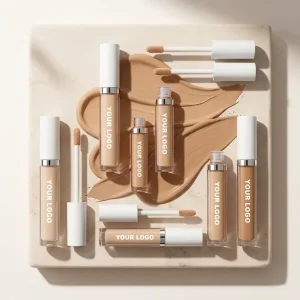
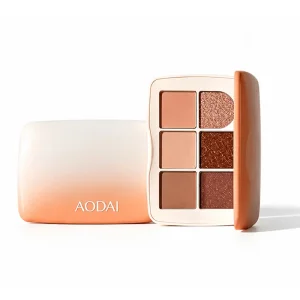
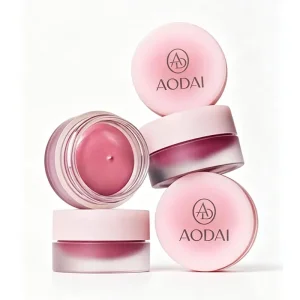
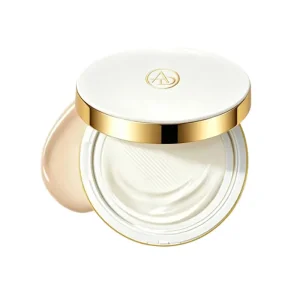
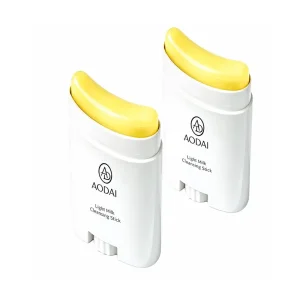
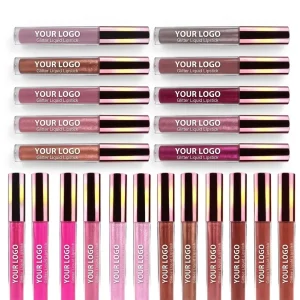
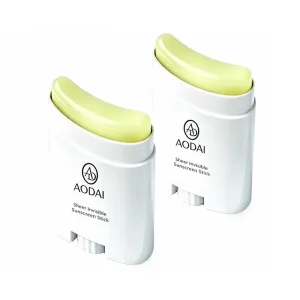
Extended OEM/ODM Catalog for Brand Customization
Full-scale cosmetic manufacturing lines available for customized brand private labeling, shade matching, and packaging engineering.
Frequently Asked Questions for B2B Cosmetic Sourcing
Direct answers from our formulation chemists, regulatory directors, and global project engineering managers.
What documentation do you provide for Korean MFDS functional cosmetic approval?
Our regulatory team provides a complete MFDS technical registration dossier. This includes a Certificate of Free Sale (CFS), comprehensive Certificate of Analysis (CoA) for all raw materials, ISO 22716 / GMPC certification, batch heavy metal test records (Pb, As, Hg, Sb, Cd), microbiological limits verification (<100 CFU/g), 26-allergen fragrance declaration breakdown, and raw material origin certification.
How do your lip oil formulas achieve a mirror-glass look without stickiness?
We replace traditional high-tack mineral polyisobutenes with a patented combination of diisostearyl malate, hydrogenated polyisobutene, and phytosteryl dimer dilinoleate. This multi-weight ester network maintains high refractive indices (creating a smooth, mirror-like gloss) while offering a shear-thinning rheology that glides on smoothly without hair-snagging stickiness.
What are your minimum order quantities (MOQ) for custom-molded lip care packaging?
For custom formulation filled into our in-stock library of Korean-popular packaging components (click pens, jumbo flock-tip applicators, clear square acrylic vials), our baseline MOQ starts at 3,000 to 5,000 units per shade. For fully custom-tooled injection molds, aluminum components, or bespoke silicon applicators, our engineering tooling run begins at 10,000 to 20,000 units.
Can your lab formulate vegan and cruelty-free lip balms eligible for Korean certification?
Yes. We have developed 100% plant-based waxes (candelilla, rice bran, sunflower seed wax) to replace animal-derived beeswax and carmine dyes. Our formulas can be submitted directly for certification by the Korea Agency of Vegan Certification and Services and PETA Cruelty-Free auditing.
How do you manage pigment migration and bleeding in pH-activated color tints?
Our pH color-transforming formulas use micro-dispersed Red 27 (CI 45410) encapsulated within an anhydrous ester suspension. This molecular stabilization prevents the dye from reacting prematurely in the packaging reservoir. Color transition triggers only upon contact with the moisture barrier and natural pH of the lips, fixing the stain to keratin proteins to minimize bleeding into perioral fine lines.
What thermal stability protocols protect lipsticks and balms from sweating in transit?
Every commercial batch undergoes 30-day thermal stress testing: 48 hours at -10°C, 48 hours at +50°C, and alternating 12-hour thermal shock cycles. This ensures crystal matrix stability across seasonal climate shifts, preventing oil sweating, surface wax blooming, and structural fractures during ocean freight shipping.
Launch Your Lip Care Line with Certified Industrial Precision
Connect directly with our formulation chemists and procurement managers. Request our 2026/2027 Formulation Dossier, benchmark samples, and low-MOQ pilot production estimates.
Send Inquiry Now Scan to add WeChat